Concrete Mow Strip vs Landscape Curbing in Wisconsin
The difference between a concrete mow strip and landscape curbing comes down to height and the problem each one solves. A mow strip is a flat, four- to six-inch border that sits flush with the lawn, so your mower wheel rides the edge and you never trim it by hand. Raised landscape curbing rises two to four inches above the soil, acting as a wall that holds mulch in place throughout Wisconsin's spring rain and snowmelt. Both cost the same so the choice is about function, not budget.
In short: pick a mow strip if weekly trimming along your bed edges is the frustration, and raised curbing if mulch washing into your lawn is. Wolfrath's Curb extrudes mow strips and landscape curbing using the same fiber-reinforced, color-blended concrete across NE Wisconsin. Find out what each profile does, how they compare head to head, and how to choose the right option for your yard.
What a Concrete Mow Strip Does
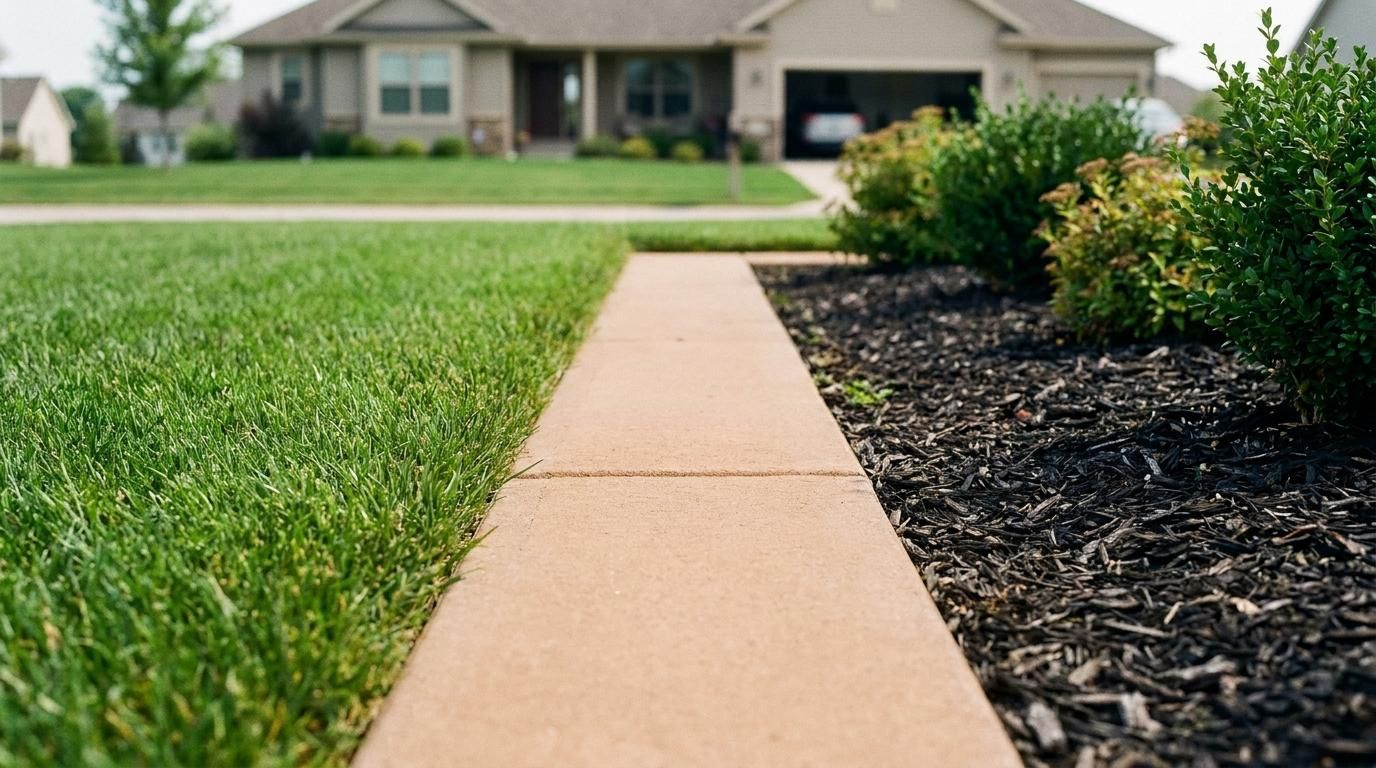
A concrete mow strip sits at grade so your mower tire rolls right over the edge. The result is a clean line between grass and bed without a string trimmer every week. For homeowners with long bed borders or winding garden paths, this saves hours of maintenance across a full growing season.
Standard mow strips run four to six inches wide and use a flat or slightly sloped profile rather than a raised shape. Wolfrath's Curb extrudes them from the same custom-blended concrete used for decorative profiles, with fiber reinforcement and UV-resistant pigment mixed throughout. The color is integrated during mixing, not painted on afterward, so it won't fade or peel. The flat design also blocks grass runners from creeping into beds, though it won't contain deep mulch the way raised curbing does.
How Mow Strips and Raised Curbing Compare
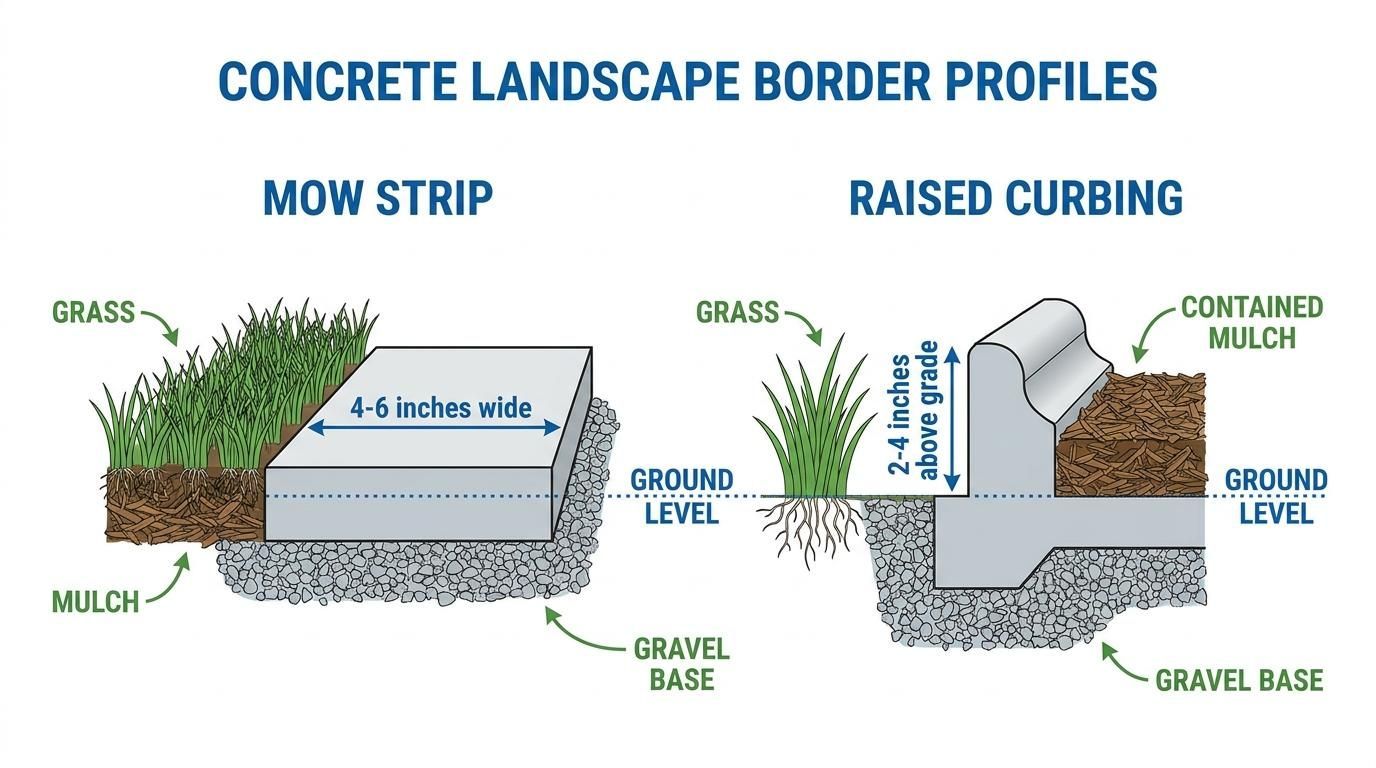
The two products share the same concrete, but their profiles do different work.
Profile and Height
A mow strip sits at or slightly below grade. Decorative curbing rises two to four inches above the soil line. That height difference determines whether mulch stays contained or drains freely along the bed edge. In NE Wisconsin, where spring snowmelt can push loose mulch across a flat yard, the raised profile provides a physical barrier that a flush strip cannot.
Best Applications
- Mow strips work best along straight lawn-to-bed transitions where trimming is the main frustration
- Raised curbing is the better choice around flower beds, tree rings, and sloped areas where mulch or soil needs a physical wall
- Both profiles fall within the same concrete landscape curbing cost range of $3 to $8 per linear foot, a range that also applies to mow strips
- Either profile can be stamped and colored to match your home's exterior
Choosing the Right Option for Your Yard
Start with the problem you want to solve. If you spend twenty minutes trimming every mowing session and your beds sit level with the lawn, a flat mow strip removes that chore permanently. Yards with long, straight bed edges see the biggest time savings.
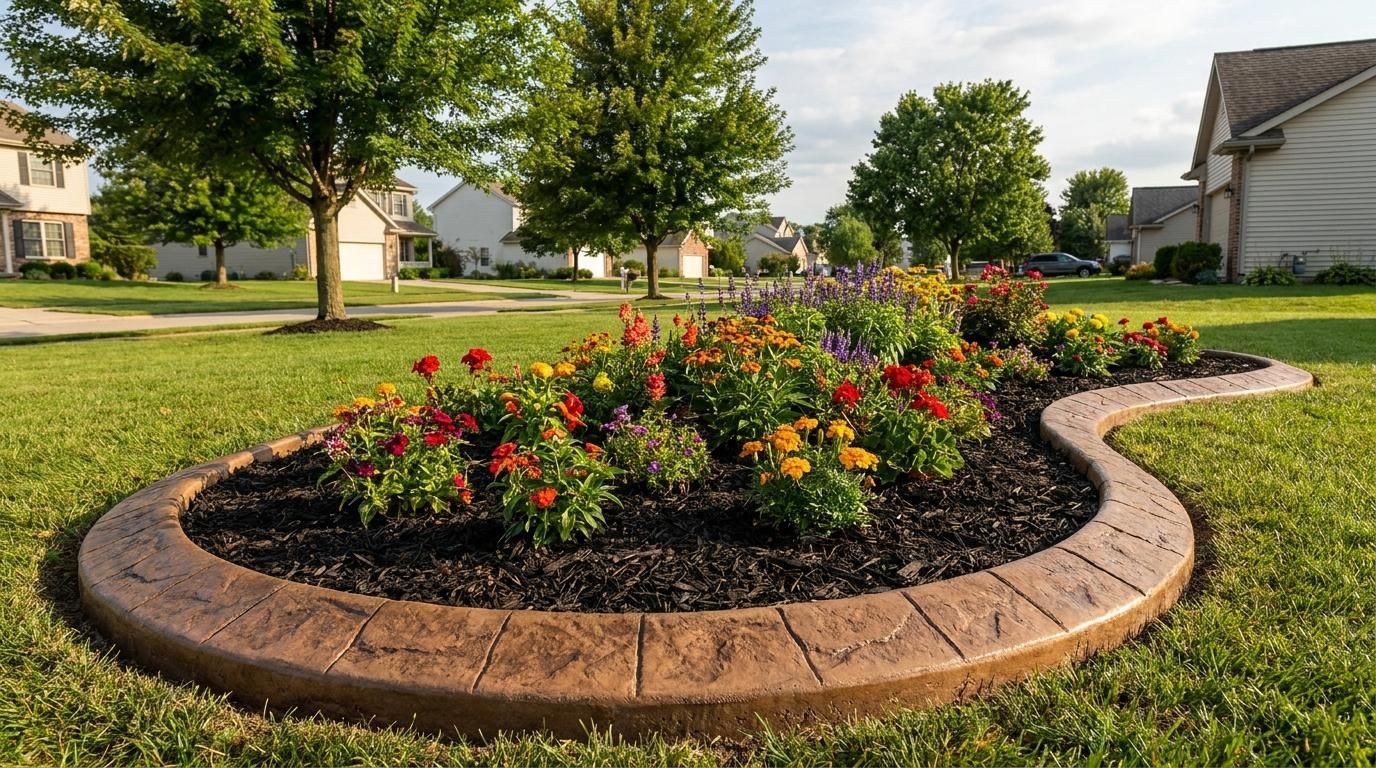
If mulch washes into your grass after spring rain, or you need a visible edge around tree rings and beds, raised curbing gives you the height a mow strip can't provide. Wisconsin's freeze-thaw cycles make this distinction matter more than in milder climates. Flat profiles drain freely, but flat mow strips actually require incredibly precise ground prep and grading to ensure they sit completely flush with your lawn so your mower blades don't hit the concrete. Both profiles rely on solid base compaction to handle Wisconsin's heavy freeze-thaw cycles without settling. Many homeowners install both: mow strips along straight driveway edges and raised curbing around flower beds and tree rings.
Frequently Asked Questions
Can landscape curbing double as a mow strip?
Landscape curbing can work as a mow strip if the installer uses a flat, flush profile instead of a raised decorative shape. Wolfrath's Curb offers mow-strip profiles that sit at grade, allowing your mower wheel to ride the edge cleanly. The key is specifying the flush profile during your design consultation, because raised curbing will stop your mower short of the bed line.
Is a concrete mow strip cheaper than decorative curbing?
A concrete mow strip typically costs the same per linear foot as raised decorative curbing, ranging from $3 to $8 installed depending on color and profile complexity. Standard gray flat profiles land at the low end, while stamped or colored mow strips cost more. This consistent pricing holds true whether you’re curbing a suburban yard in Outagamie County or adding borders to a lakeside property in Calumet County. Because the price difference between the two profiles is negligible, practical function should drive your final choice.
How long does a concrete mow strip last in Wisconsin?
A professionally installed concrete mow strip lasts 20 to 30 years in Wisconsin's climate when properly maintained. Fiber-reinforced concrete withstands the region's freeze-thaw cycles, and a reseal every two to three years protects the surface from moisture and UV damage. Hairline cracks may develop as the concrete expands and contracts with temperature swings, but they rarely affect performance.
Pick the Border That Matches Your Yard
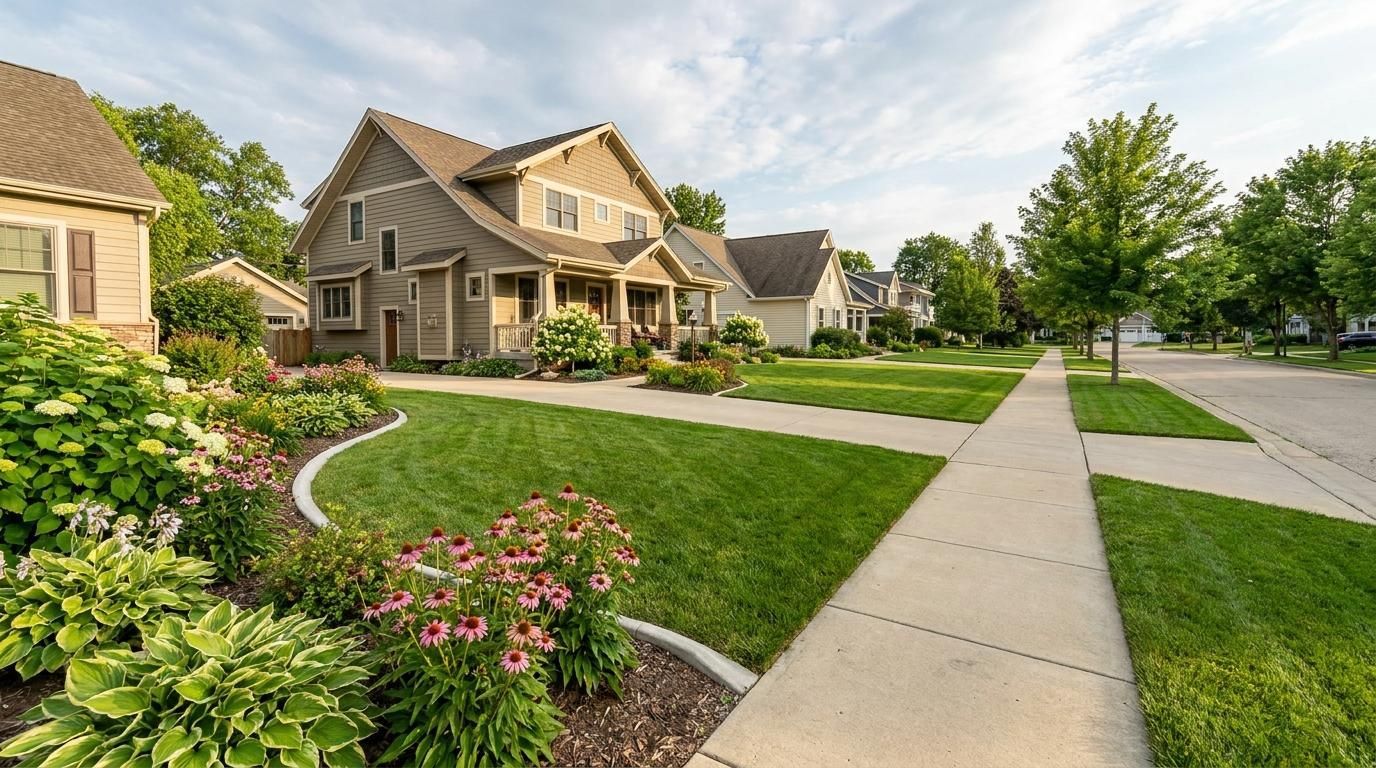
Choosing the right edge comes down to how you want to transform your weekend. If you’re tired of wrestling with a string trimmer along endless straight paths, a flat mow strip permanently crosses that chore off your to-do list. If your goal is to lock shifting mulch into place while framing your flower beds with a striking visual accent, raised curbing delivers the architectural framing your landscape needs.
No matter which shape fits your property best, both profiles are extruded from the same rugged, freeze-resistant concrete mix engineered to look flawless through decades of Wisconsin seasons. Contact Wolfrath's Curb today for a free estimate, or call (920) 212-2872 to discuss your options.