Best Decorative Landscape Edging Options in 2026: Concrete vs Steel vs Plastic vs Stone
Decorative landscape edging options for Wisconsin homes include concrete curbing ($3–$8/ft, expected service life of 20–30 years), steel edging ($2–$5/ft, 5–10 years), plastic edging ($1–$2/ft, 1–3 years), and natural stone ($8–$15/ft, 10–15 years). Each material performs differently through Wisconsin's freeze-thaw cycles. Wolfrath's Curb has tested these comparisons firsthand across 20 years and over one million feet of installations in northeast Wisconsin.
You pull into your driveway after a long Wisconsin winter, and the first thing you notice is the plastic edging popping out of the flower bed again. The steel strip along the walkway has a rust streak bleeding onto the concrete. The stone border by the mailbox has shifted into a crooked line. Every spring, the same repairs.
This guide breaks down what actually lasts in our climate so you can stop the cycle.
Concrete Landscape Curbing: The Permanent Option
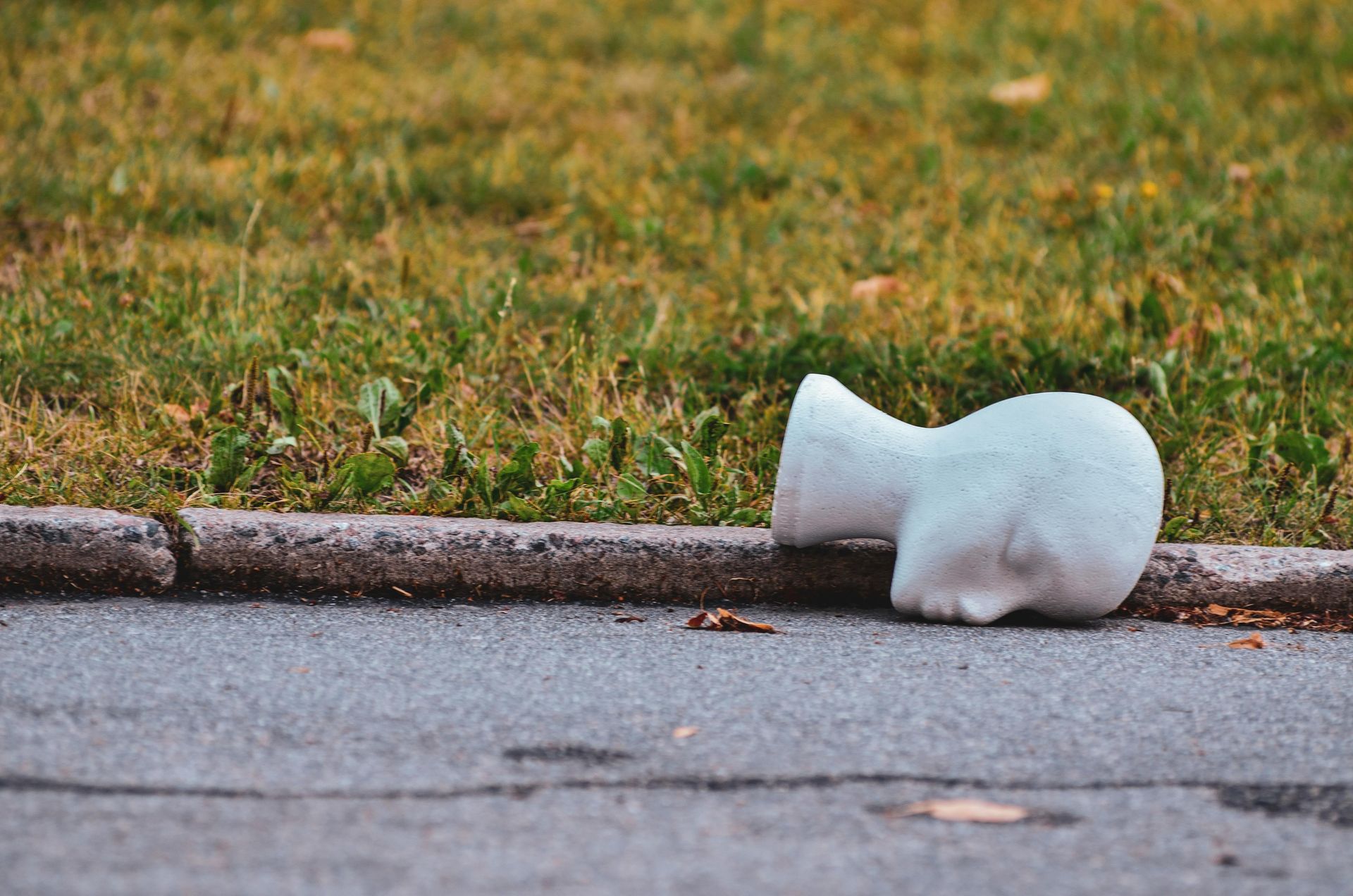
Extruded concrete curbing is poured as a seamless, continuous border using specialized equipment. Unlike segmented materials, there are no joints, gaps, or connection points where water can penetrate and freeze. Wolfrath's Curb offers 13 stamp patterns and 80+ colors , with color mixed throughout the concrete rather than applied as a surface coating.
Its cost runs $3 to $8 per linear foot installed. The expected service life is 20 to 30 years with resealing every two to three years. The main advantage in Wisconsin is structural: fiber-reinforced, polymer-modified concrete flexes with ground movement through freeze-thaw cycles instead of cracking at seams. The main limitation is that it requires professional installation.
How Steel, Plastic, and Stone Compare

Steel Edging
Steel landscape edging costs $2 to $5 per linear foot and creates clean, thin lines between lawn and beds. It holds curves well and is installed by driving stakes into the ground. In Wisconsin, steel's weakness shows within 3 to 5 years: rust develops at the soil line where moisture sits, stakes loosen as frost heaves the ground, and the top edge curls when hit by mower wheels. Galvanized and cor-ten steel resist rust longer but cost $5 to $10 per linear foot for materials, before installation.
Plastic Edging
Plastic is the most affordable option at $1 to $2 per linear foot, and it's the most common choice at big-box stores. It's also the option with the shortest service life. UV exposure typically makes it brittle within two seasons. Freeze-thaw cycles heave it out of the ground every winter. Most Wisconsin homeowners replace plastic edging every one to three years, which means the "cheap" option becomes the most expensive over five years.
Natural Stone
Fieldstone and flagstone borders cost $8 to $15 per linear foot and offer a natural, rustic aesthetic that works well with Wisconsin's architectural styles. The tradeoff is maintenance: individual stones shift and settle as frost moves the soil beneath them. You'll reset stones every spring and deal with weeds growing between gaps.
To see how these material prices compare to concrete curbing, visit our landscape curbing cost guide.
Which Edging Survives Wisconsin's Freeze-Thaw Cycles?
Northeast Wisconsin experiences dozens of freeze-thaw cycles per year. That's multiple rounds of water seeping into joints, expanding as ice, and pushing materials apart. Any edging with seams, stakes, or individual pieces is vulnerable. Homeowners in Brown County and throughout the Fox Valley see this pattern every spring.
Concrete curbing's seamless design eliminates the primary failure point. Steel and plastic both rely on stakes that loosen as frozen ground shifts. Stone relies on gravity and friction between pieces, both of which fail when frost lifts the substrate. Only continuous concrete maintains its position and profile through full seasonal cycles without intervention.
Frequently Asked Questions
What is the longest-lasting landscape edging material?
Professionally installed concrete curbing carries an expected service life of 20 to 30 years, making it the longest-lasting landscape edging available. Natural stone can approach similar timelines but requires annual resetting in freeze-thaw climates. Steel lasts 5 to 10 years before rust compromises it, and plastic rarely survives more than three Wisconsin winters.
What is the most affordable landscape edging option?
Plastic edging has the lowest upfront cost at $1 to $2 per linear foot, but its 1- to 3-year replacement cycle makes it the most expensive option over time. Wolfrath's Curb installs concrete curbing starting at $3 per foot, and at 20+ years of service life, the annual cost drops well below any alternative.
Can you mix different edging materials in one yard?
Mixing materials is possible but creates maintenance complexity. You'll manage different replacement schedules, cleaning methods, and visual styles. Most homeowners find that one consistent material throughout the yard creates a cleaner look and simpler upkeep. Concrete curbing's range of patterns and colors provides sufficient variety within a single, unified system.
Choose the Edging That Fits Your Yard
If you need a temporary border for a rental property, plastic works. If you want a thin accent line and don't mind replacing it in a decade, steel has its place. For a permanent, decorative border that survives Wisconsin's climate without annual repairs, concrete curbing delivers the best combination of aesthetics, durability, and long-term value.
Contact Wolfrath's Curb at (920) 212-2872 or send us a message to get a free estimate and see the design options for your property.