DIY Landscape Curbing vs Hiring a Pro: 2026 Cost & Quality Guide
DIY landscape curbing uses premixed concrete or peel-and-stick molds to create garden borders at a material cost of $0.50 to $2 per linear foot, while professional extruded curbing runs $3 to $8 per foot installed. The cost gap narrows significantly once you factor in equipment rental, time, and the lifespan difference between the two methods. Wolfrath's Curb has installed over one million feet of professional curbing in Wisconsin and regularly sees homeowners go the professional route after a failed DIY attempt.
You're probably weighing two paths right now: spend a weekend doing it yourself for a few hundred dollars, or hire a crew and pay more upfront for a finished result. Both options have real tradeoffs, and the right choice depends on your climate, your timeline, and how long you need the border to hold up. This guide describes what each option involves so you can decide with the full picture.
What DIY Landscape Curbing Actually Involves
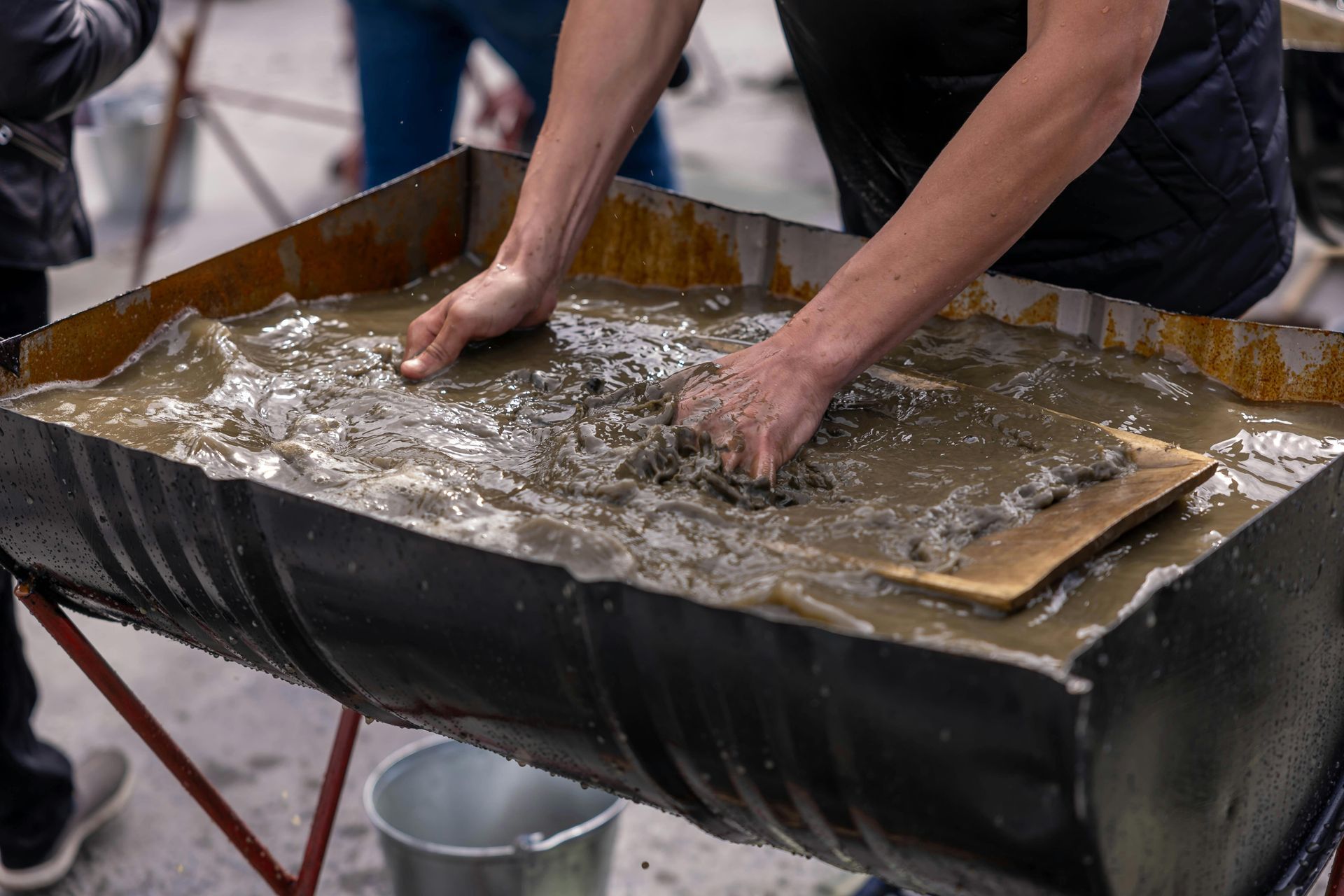
DIY curbing typically means one of two approaches: pouring concrete into a plastic mold you place along the bed edge, or using bagged concrete mix shaped by hand along a trench. Both require significant prep work that's easy to underestimate.
You'll need to excavate a trench 4 to 6 inches deep, remove existing edging and roots, compact the base, mix concrete in small batches, pour and shape each section, then wait for curing before sealing. A 100-foot project typically takes an experienced DIYer 8 to 12 hours spread across two days. The material cost runs $50 to $200, depending on mix quality.
The biggest limitation is structural. Hand-poured sections create joints every 2 to 4 feet where water penetrates during freeze-thaw cycles. In Wisconsin's climate, those joints are the first failure point. Most DIY curbing shows cracking, heaving, or separation within two to three winters.
What Professional Installation Delivers
Professional concrete curbing is extruded from a specialized machine that shapes a continuous, seamless border in one pass. Wolfrath's five-step process starts with thorough ground preparation, including root removal and soil compaction, then custom-blends concrete on-site with fiber reinforcement and polymer additives designed for Wisconsin's temperature extremes.
The result is a jointless border that flexes with seasonal ground movement instead of cracking apart at seams. You also get access to 80+ colors and 13 stamp patterns that aren't possible with hand molds. Most residential projects are finished in a single day, and you can add mulch or plant around the curbing within 24 hours.
For homeowners comparing costs side by side, our full pricing breakdown covers what affects the price of professional installation.
Cost Comparison: DIY vs Professional in Wisconsin
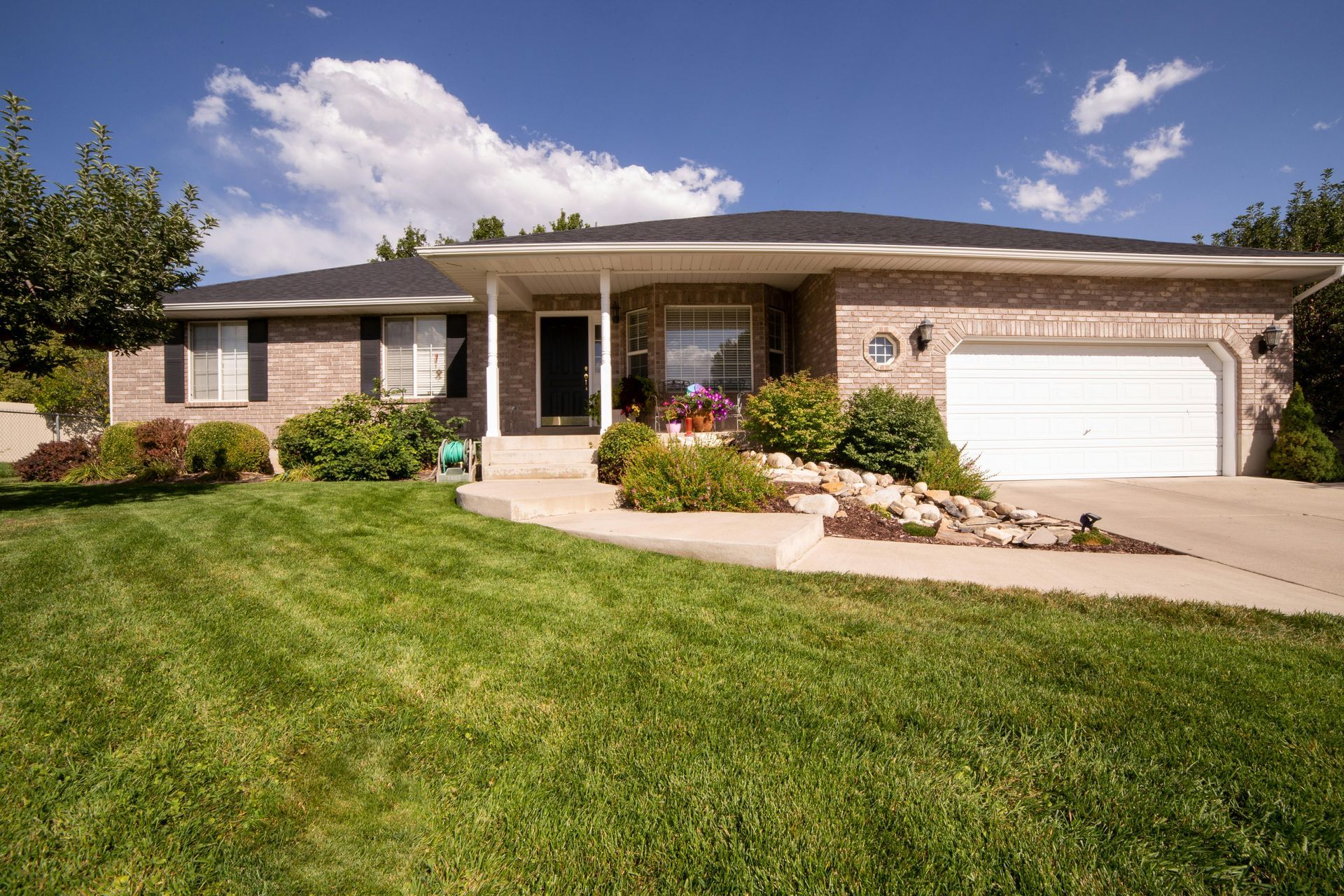
Here's how the numbers compare for a typical 150-linear-foot front yard project:
- DIY materials: $75–$300 (concrete mix, molds, sealer, tools)
- DIY equipment rental (if needed): $300–$600 per day
- DIY total: $175–$550 + 10–16 hours of labor
- Professional installation: $450–$1,200 (complete, same-day)
The upfront price difference is real. But DIY curbing in Winnebago County or anywhere in northeast Wisconsin typically needs patching or full replacement within three to five years. Professional curbing carries an expected service life of 20 to 30 years, with resealing needed every two to three years to maintain performance. Over a decade, the professional option costs less per year and requires virtually no ongoing labor.
Frequently Asked Questions
Can you do landscape curbing yourself without a machine?
You can pour concrete borders by hand using molds or freeform shaping, but the result differs significantly from machine-extruded curbing. Hand-poured sections create joints every few feet that become failure points during freeze-thaw cycles. The seamless extrusion from professional equipment like Wolfrath's Curb uses eliminates those weak spots entirely.
Is DIY concrete curbing durable in cold climates?
DIY curbing struggles in cold climates because the joints between poured sections allow water penetration. Wisconsin's annual freeze-thaw cycles expand that trapped water and crack the concrete from the inside out. Professional installations use continuous extrusion and polymer-modified concrete that flexes with temperature changes.
How much does it cost to rent curbing equipment?
Curbing extrusion machines can be rented for $300 to $600 per day, where available, but availability is limited, and the equipment requires training to operate correctly. Most rental options are commercial-grade machines designed for experienced operators, not homeowners. The learning curve typically results in wasted material and inconsistent results on the first attempt.
Make an Investment That Lasts
DIY curbing makes sense if you're experimenting with a small accent border in a mild climate. For Wisconsin homeowners who want borders that survive two decades of freeze-thaw without cracking, shifting, or needing replacement, professional installation delivers lower lifetime cost and dramatically better results.
Contact Wolfrath's Curb at (920) 212-2872 or reach out online for a free estimate on your project.