
Should You Install Concrete Curbing Before or After Sod? A Northeast Wisconsin New-Home Guide
If you just built a new home in Northeast Wisconsin, you are likely juggling a long list of yard projects at once, including sod, mulch, and a clean landscape border. The short answer for sequencing: concrete curbing goes in after final grading and topsoil placement, and before sod is laid. That order protects both installations and avoids paying for rework later. If your lawn is already established, curbing can still be added by removing a narrow strip of turf along the planned border, so this guide applies whether you are starting from bare dirt or an existing yard.
Why Curbing Comes Before Sod, Not After
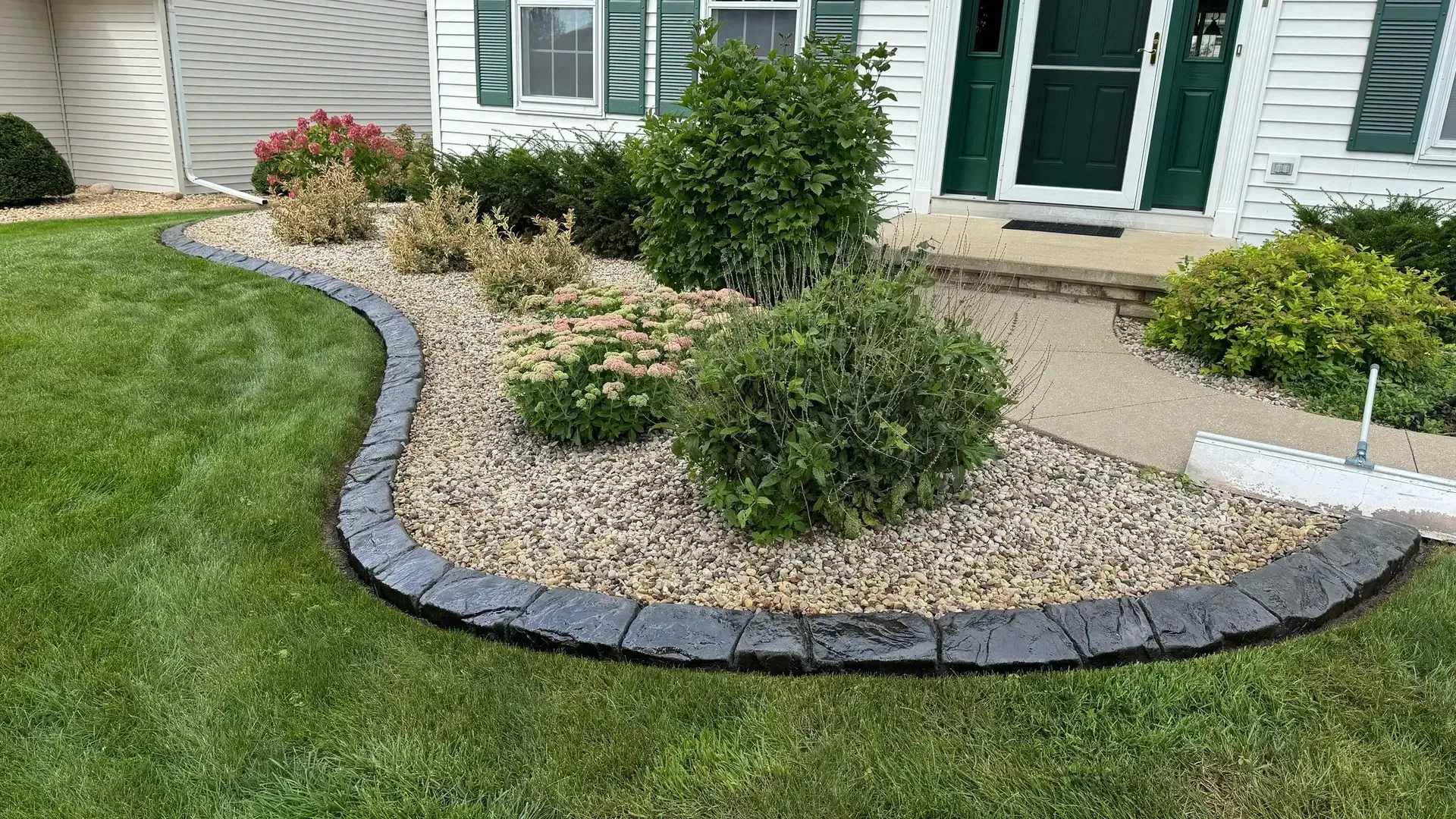
Concrete landscape curbing needs a prepared, stable work area to install cleanly along flower beds, trees, driveways, and walkways. Wolfrath's Curb specializes in professional decorative concrete landscape curbing, including these residential applications, and the on-site process involves site preparation, mixing the concrete on location, shaping the border, and finishing and sealing it so it follows the straight lines and curves of your design. That kind of precise, continuous work is much easier on open, graded ground than on a lawn that has to be protected from equipment and foot traffic.
Installing curbing first also means the border is already in place before sod rolls or seed go down, so the sod crew can cut turf right up to a finished edge instead of working around a future construction zone.
A Simple Sequence to Follow
- Final grading and topsoil placement across the yard
- Concrete curbing installation along beds, trees, driveways, and walkways
- Sod delivery and installation up to the finished curb line
New-Construction Soil Is Not Automatically Lawn-Ready
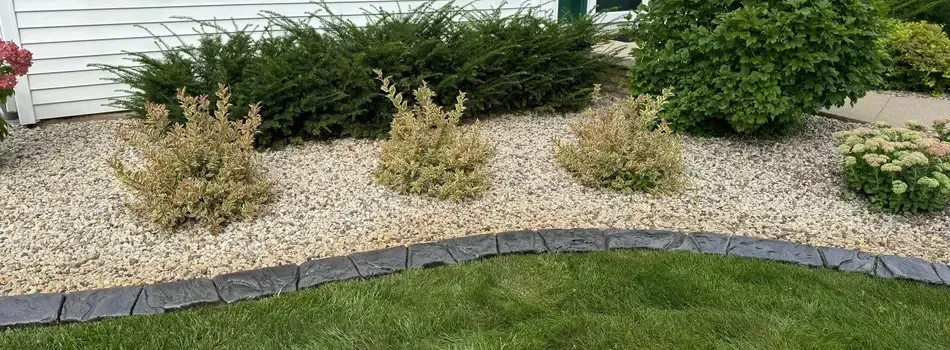
It is easy to assume that a freshly graded new-home lot is ready for both curbing and a healthy lawn, but that is not always the case. Home construction can replace the original topsoil with clay or gravel fill and compact the soil underneath, which limits drainage and makes it harder for grass roots to establish ( Wisconsin Horticulture). That is worth knowing before sod goes down, since a border that looks finished does not guarantee the soil behind it is in good shape for turf.
It helps to think of these as two separate goals: a firm, stable base for the curbing itself, and properly prepared, amended soil for the lawn. Soil amendments for turf are best based on actual soil testing, with only light firming of the lawn area, rather than heavy compaction across the whole yard ( UMN Extension). Compacting the entire future lawn area to make it firm enough for construction equipment can work against the lawn later on.
Coordinating the Handoff Between Grading, Curbing, and Sod
On a new build, you are usually coordinating more than one contractor: whoever handles final grading, the curbing installer, and whoever supplies and lays sod. A few practical points can prevent a scheduling headache:
- Confirm the yard has been graded and topsoil placed before curbing starts, so the border is cut into finished ground rather than an unfinished construction lot
- Decide who signs off that the area is ready for curbing, and who you will notify if weather pushes the schedule
- Time your sod order after curbing is complete, since fresh sod should be laid as soon as possible after delivery, ideally within a day, and kept moist without being saturated while it roots ( UMN Extension)
- Plan equipment access and foot traffic routes carefully, since wet soil compacts more easily and heavy traffic on irrigated ground can damage soil structure and slow rooting
Guidance on exactly how soon other landscape work can resume near a new curb varies from one installer to the next, so it is worth confirming the specific window with your curbing contractor rather than assuming a single industry-wide number. Coordinating that detail up front, rather than guessing, is what keeps a new-home yard on schedule.
Already Have a Lawn? Curbing Can Still Be Added
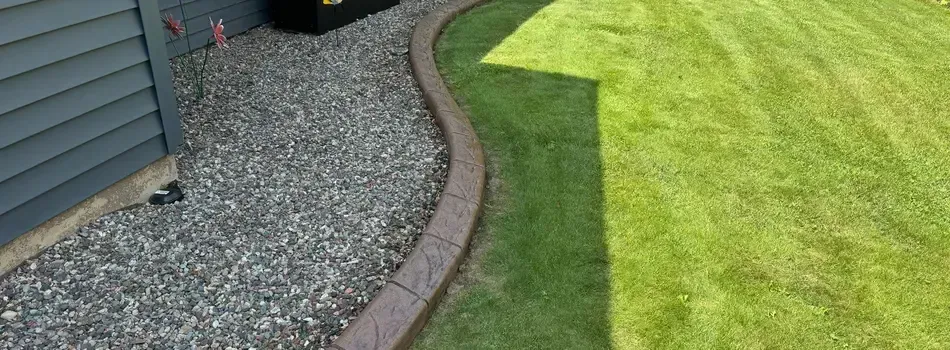
Not every project starts from bare dirt. If your sod or seed is already established and you are adding landscape curbing afterward, the sequence above does not apply in the same way, since the curbing is installed by removing a strip of existing turf along the planned border instead of working on open ground. If that describes your situation, see our related article on adding concrete curbing around existing landscaping for more detail on that process.
A Local Note on Timing
If you have some flexibility in your schedule, late August into early September is generally considered an ideal window for establishing a new lawn in Wisconsin through seeding or sodding ( Wisconsin Horticulture). That is a helpful target window, not the only time sod or curbing can go in, so it is one more factor to weigh alongside your contractors' availability.
Get Your Curbing and Sod Timeline Sorted Out
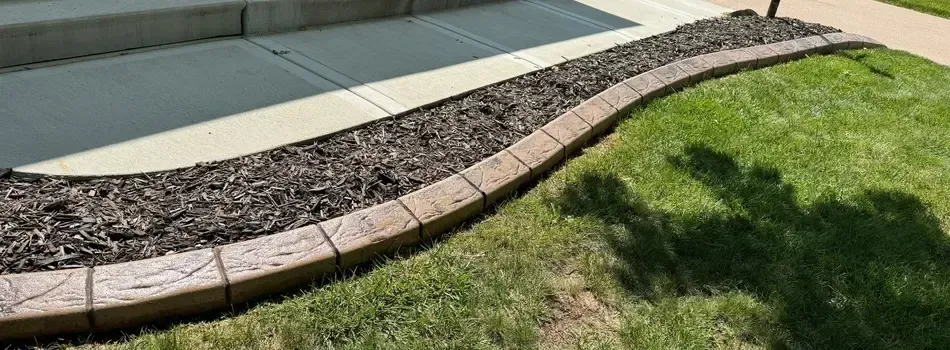
Wolfrath's Curb has specialized in professional decorative concrete landscape curbing across Northeast Wisconsin since 2005, with more than 1 million linear feet installed. If you are planning a new yard and want to talk through where curbing fits into your grading and sod schedule, call us at (920) 212-2872. We serve homeowners throughout Outagamie, Winnebago, Brown, Calumet, Fond du Lac, Manitowoc, Marquette, Shawano, Sheboygan, Waupaca, and Waushara counties.