
Concrete Wheel Stops vs. Landscape Curbing for Commercial Properties
A concrete wheel stop is a precast block anchored at the head of a parking space to stop a vehicle's wheels before it reaches landscaping, a walkway, a building, or the next stall. On commercial properties across Northeast Wisconsin, wheel stops work alongside landscape curbing to protect planting beds and borders, while placement decisions also need to account for pedestrian clearance, snow removal, and road salt. Wolfrath's Curb installs both commercial landscape curbing and concrete wheel stops, giving property owners in Outagamie, Winnebago, Brown, Calumet, Fond du Lac, Manitowoc, Marquette, Shawano, Sheboygan, Waupaca, and Waushara Counties a way to address appearance, traffic flow, and long-term performance in the same project.
What Is a Concrete Wheel Stop?
A concrete wheel stop is also called a parking stop, parking block, parking bumper, or car stop. It is a precast unit anchored at the head of a parking space to stop a vehicle before it reaches landscaping, a walkway, a building, or the next stall, as described by American Precast Concrete. For commercial sites, that stopping point is what keeps everyday parking from slowly wearing down the planting beds, signage, and building edges nearby.
Wheel Stops and Landscape Curbing Do Different Jobs
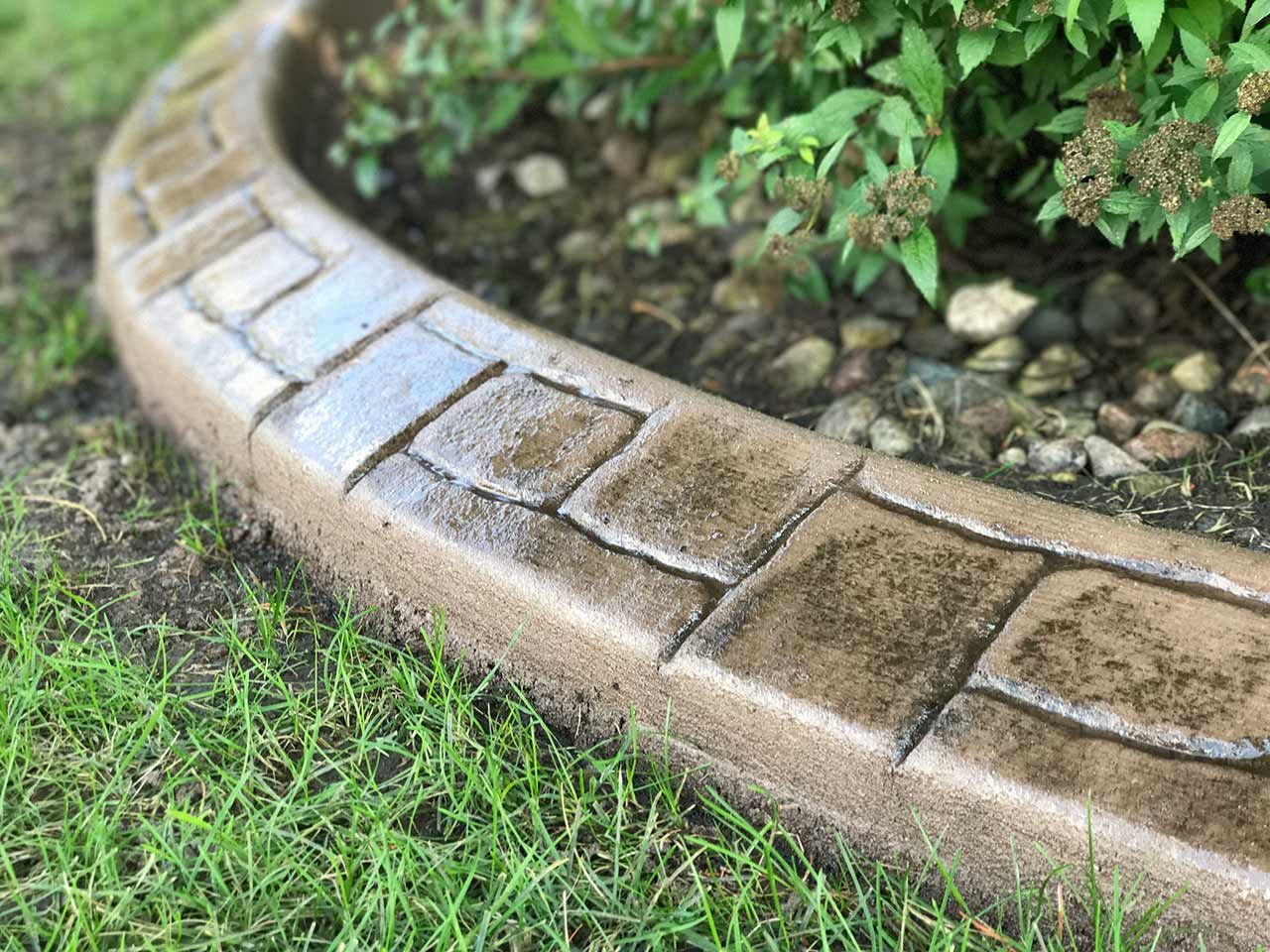
It is easy to assume that a wheel stop and a landscape curb accomplish the same thing, but they serve different purposes. A wheel stop controls how far a vehicle can roll into a space, while continuous landscape curbing defines the border of a bed and helps contain mulch, gravel, or decorative stone. Wolfrath's Curb provides commercial landscape curbing for building areas, signage, parking areas, landscape beds, and other high-visibility spaces, built to hold up to Wisconsin weather and ongoing maintenance. Our guide to concrete curbing basics covers how continuous curbing is installed and why it matters for appearance, consistency, and traffic flow. On many properties, the two products work together: curbing defines and protects the bed itself, while wheel stops protect that same bed from the vehicles parked next to it.
Placement: Matching the Stop to the Vehicle and Protecting Pedestrian Routes
Where and how a wheel stop is placed matters as much as the fact that one is installed at all. A few considerations are worth thinking through before a commercial lot is finalized:
- Vehicle type: Standard passenger-vehicle wheel stops are not the same as the substantially heavier stops built for loading docks, distribution yards, or areas with forklift and truck traffic, according to American Precast Concrete. A lot that mixes passenger parking with service or delivery traffic may need different stops for different zones.
- Accessible routes: Accessible parking spaces and access aisles need to be designed so a parked vehicle does not reduce the required clear width of the adjacent accessible route. The U.S. Access Board identifies wheel stops as one way to help prevent vehicle overhang into those pedestrian paths, which makes placement near accessible spaces a real decision point rather than an afterthought.
- Anchoring: Parking stops are typically anchored through the block into the pavement with rebar or pins, with the fastener head kept flush so it does not create a vehicle or pedestrian hazard, per Nitterhouse Masonry Products. Secure, level anchoring is part of why a wheel stop performs well over time.
Northeast Wisconsin Winters and Long-Term Wear
Freeze-thaw cycles, road-salt runoff, and contact from snow-removal equipment can accelerate wear on concrete surfaces throughout Northeast Wisconsin. Moisture, de-icer exposure, and plow or shovel strikes are relevant risks near any concrete edge, including wheel stops and curbing set beside parking islands, sidewalks, or drive lanes. Repeated snow equipment and de-icer contact close to concrete edges can lead to chips, gouges, scaling, or general surface deterioration over time, which is why a spring look-over of these areas is a reasonable habit for facilities teams. For more on protecting concrete borders through the colder months, see our concrete curbing winter care tips.
Wolfrath's Curb: Commercial Landscape Curbing and Wheel Stops in Northeast Wisconsin
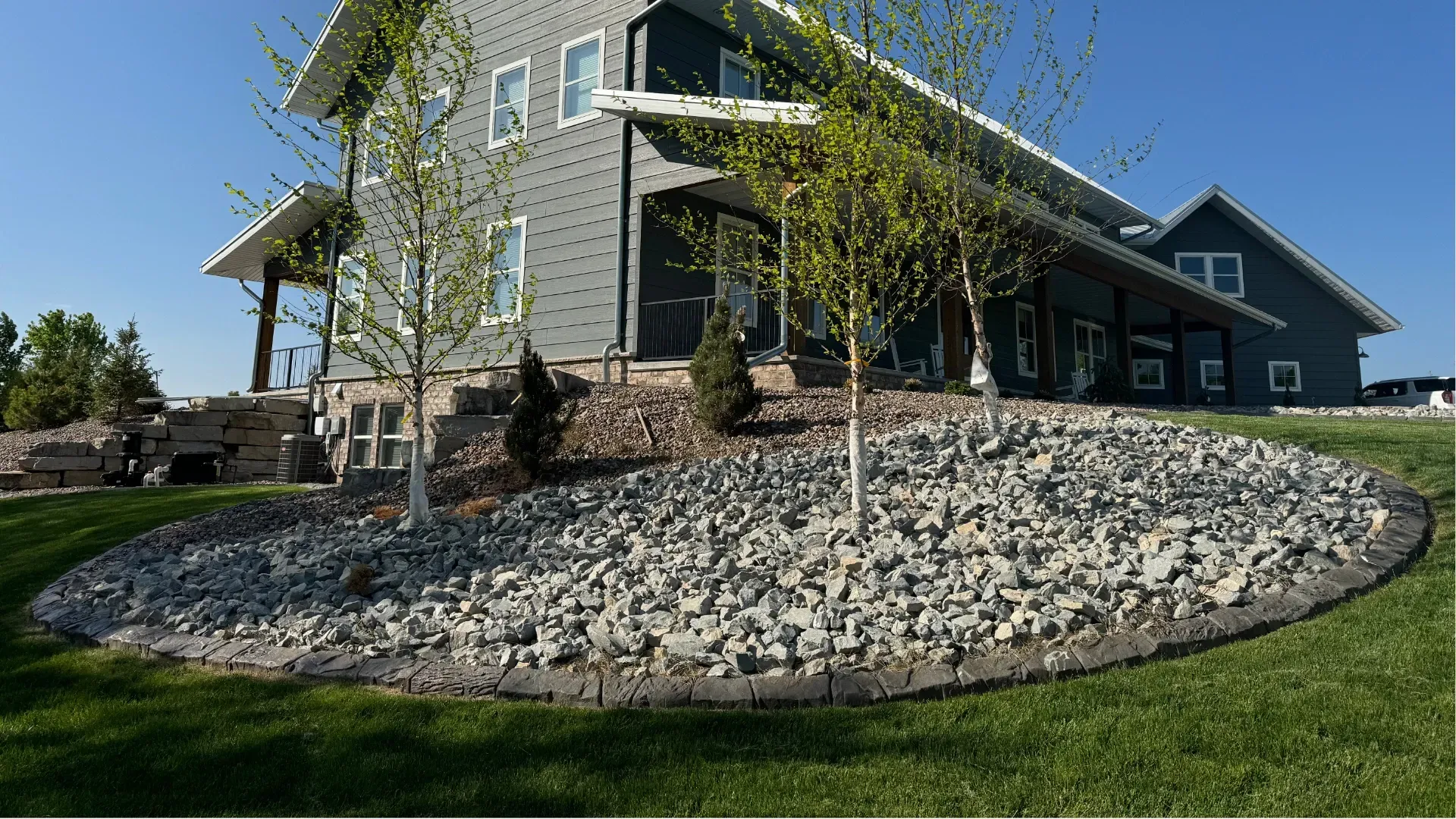
Wolfrath's Curb has specialized in landscape curbing since 2005 and reports installing more than one million linear feet of curbing. That experience with concrete borders carries over into our commercial work, where we provide landscape curbing and concrete wheel stops for properties that need defined, durable exterior boundaries. Learn more about how we approach a project on our curbing process page.
Frequently Asked Questions
Are wheel stops the same as landscape curbing?
No. A wheel stop is a single precast block that stops a vehicle's wheels at one point in a parking space. Landscape curbing is a continuous border that defines a bed and helps contain mulch, gravel, or decorative stone. They often work together, but they are not interchangeable.
When should a commercial property use heavier-duty wheel stops instead of standard parking stops?
Standard parking stops are built for passenger vehicles. Areas with loading docks, distribution traffic, or forklifts typically call for the substantially heavier stops manufacturers build specifically for that kind of use.
Can wheel stops help keep parked vehicles out of an accessible pedestrian route?
Yes. The U.S. Access Board identifies wheel stops as one way to help prevent a parked vehicle from overhanging into the clear width required for an adjacent accessible route, which is a reason to plan their placement carefully near accessible spaces.
Talk to Wolfrath's Curb About Your Commercial Property
If you manage a commercial property in Northeast Wisconsin and want to protect your landscape beds, signage areas, or parking islands with wheel stops, landscape curbing, or both, Wolfrath's Curb can help. We serve Outagamie, Winnebago, Brown, Calumet, Fond du Lac, Manitowoc, Marquette, Shawano, Sheboygan, Waupaca, and Waushara Counties. Call us at (920) 212-2872 to talk through your property and get started.