5 Landscape Curbing Ideas for Appleton & Fox Valley Homes
Landscape curbing ideas for Appleton and Fox Valley homeowners start with one local reality: Outagamie County’s clay-heavy soil shifts more during spring thaw than sandy soils elsewhere in the state. That movement breaks segmented edging fast. Wolfrath’s Curb, based in Hortonville, has been installing durable concrete curbing across the Fox Valley for over 20 years.
The Fox Valley’s mix of established subdivisions, newer developments in Greenville and Kimberly, and rural properties near Hortonville means curbing needs to work across housing styles ranging from 1960s ranches to modern colonials. This guide explores five curbing designs curated to match these local home styles while providing the durability needed to thrive in our unpredictable northeast Wisconsin weather.
1. Castle Rock Borders for Ranch-Style Homes
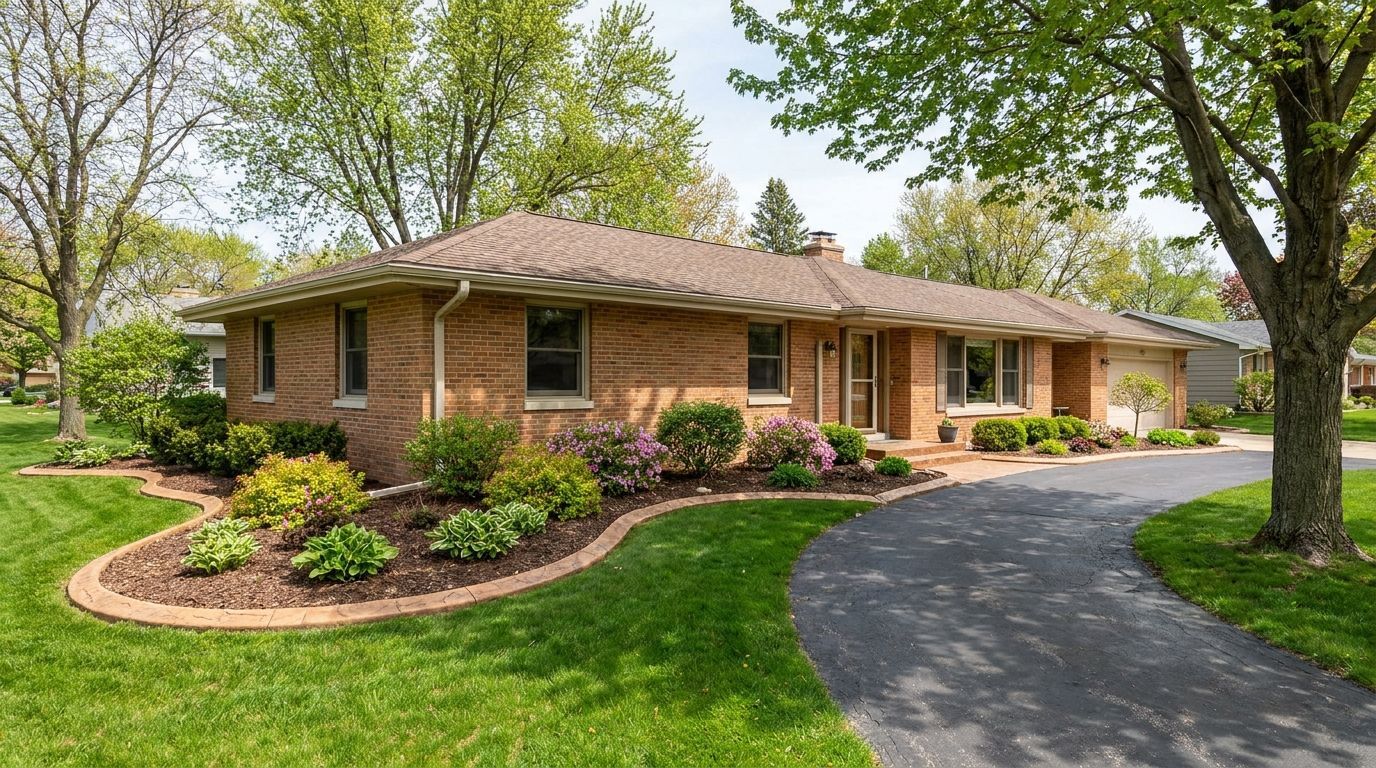
Ranch-style homes built in the 1960s and 1970s make up a large share of Appleton and Kaukauna housing stock. Castle Rock’s clean running bond pattern mirrors the horizontal lines of these low-profile exteriors.
A sandstone or clay color in the six-inch mow strip profile lets you trim grass right along the bed edge without hand-edging. The pattern works for front foundation plantings, side-yard garden beds, and rear patio borders. On Appleton’s west side, where lot sizes are generous, homeowners often run 200 or more linear feet in a single installation.
2. Flagstone Accents Around Mature Landscaping
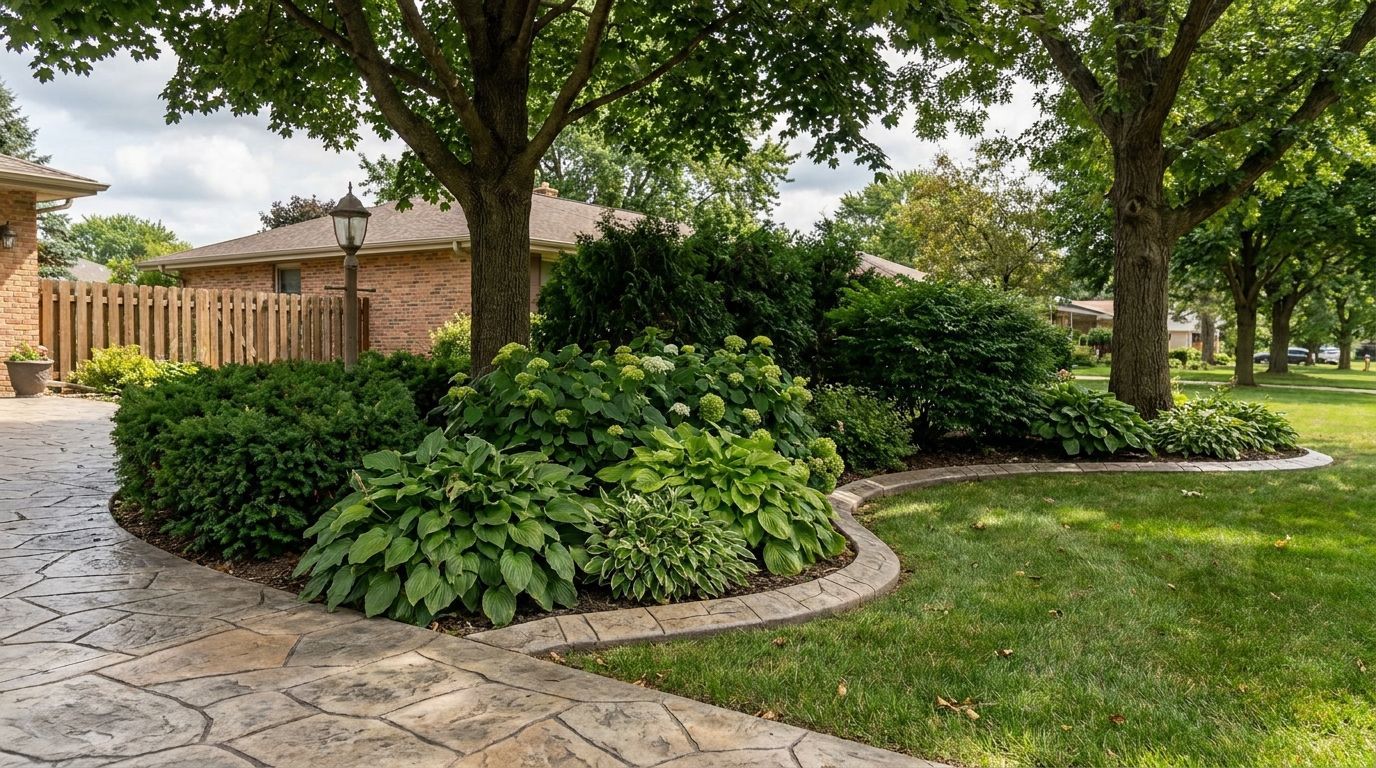
Many Fox Valley properties feature 30- to 40-year-old trees and established shrub beds that define the yard’s character. Flagstone’s irregular natural stone texture blends with these mature plantings rather than competing with them.
The continuous pour wraps around existing root systems and planting beds without disturbing mature growth. In Outagamie County neighborhoods, where older landscapes often have dense root networks close to the surface, the extrusion method lets the crew navigate around obstacles without cutting or removing established plants. The result is a defined border that respects the existing landscape.
3. Natural Stone Tree Rings in Wooded Lots
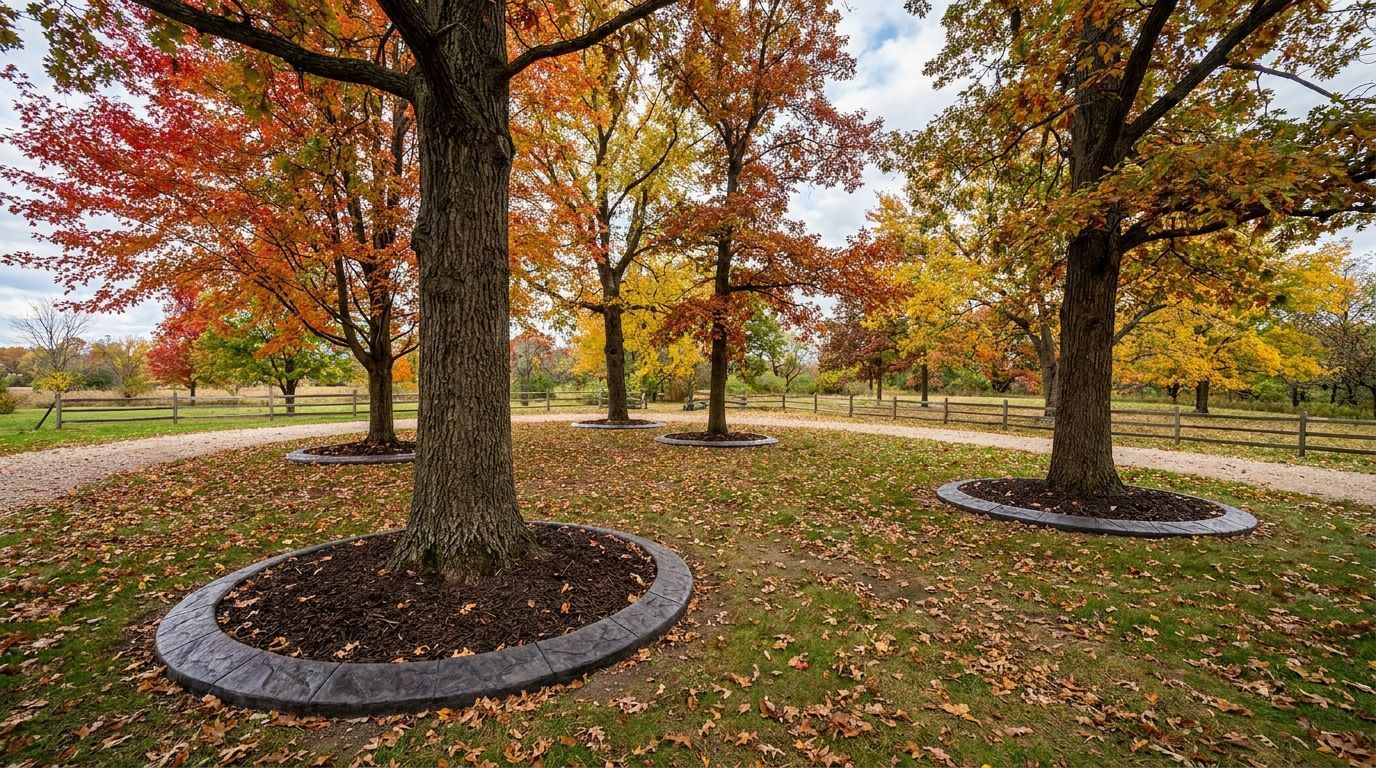
Properties along the Wolf River corridor and in the rural areas between Hortonville and New London sit on larger wooded lots with mature hardwoods. Natural Stone tree rings match the rugged bark and canopy of oaks and maples without looking artificial.
The seamless ring protects the root zone from mower damage and keeps grass from encroaching on mulched areas around the trunk. A charcoal or bark-brown color integrates with the surrounding woodland palette. Browse Wolfrath’s project gallery for tree ring examples from Fox Valley properties.
4. Wood Grain Edging for Farmhouse Properties
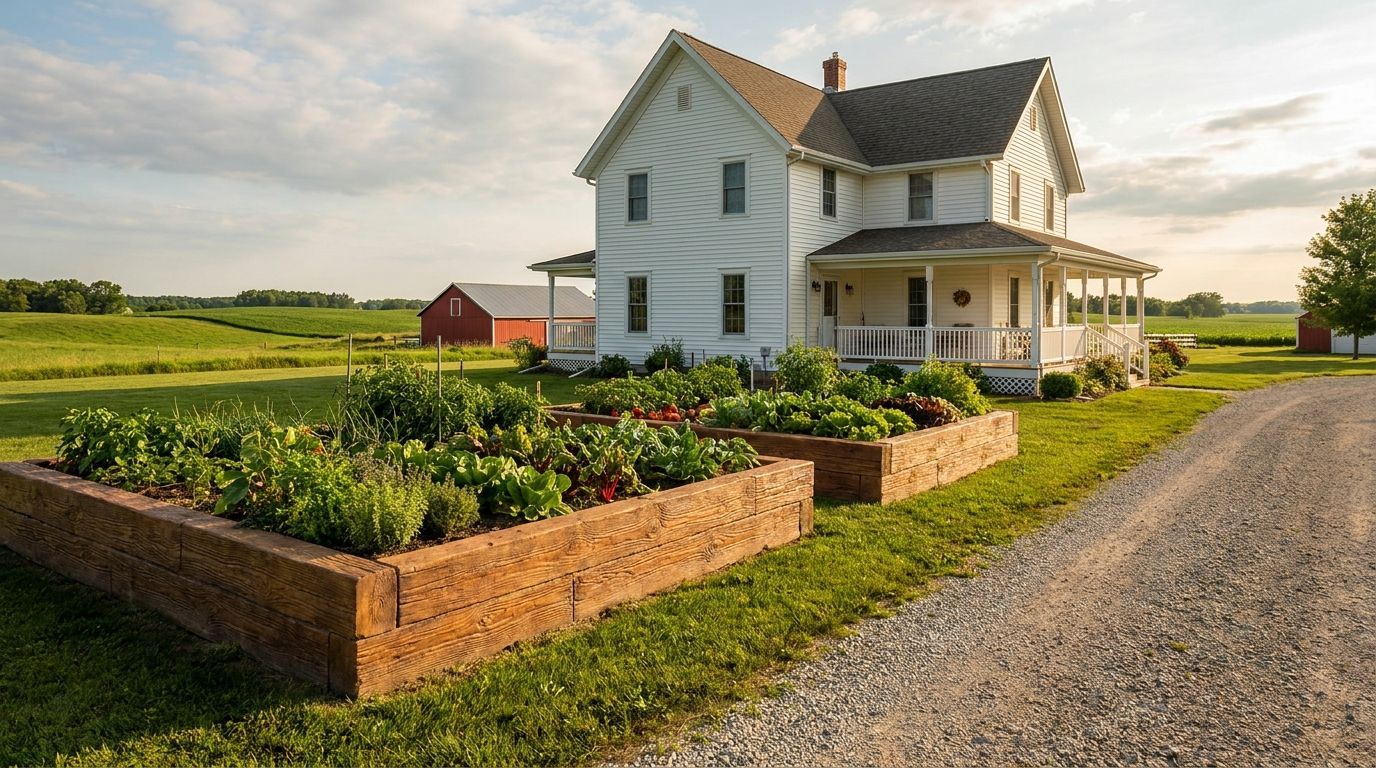
Rural properties in western Outagamie and Waupaca counties lean toward farmhouse and cabin aesthetics. Wood Grain curbing captures the look of milled timber with realistic grain lines and natural splits, without the rot, carpenter ant damage, or seasonal warping that real wood develops at ground contact in Wisconsin.
The concrete version handles snow load, spring moisture, and direct soil contact for decades without degrading. A cedar color pairs well with white farmhouse siding and natural stone walkways common in the area. This pattern works for raised garden bed borders, barn-adjacent landscaping edges, and long driveway runs on larger acreage properties.
5. Colored Soldier Course for Newer Developments
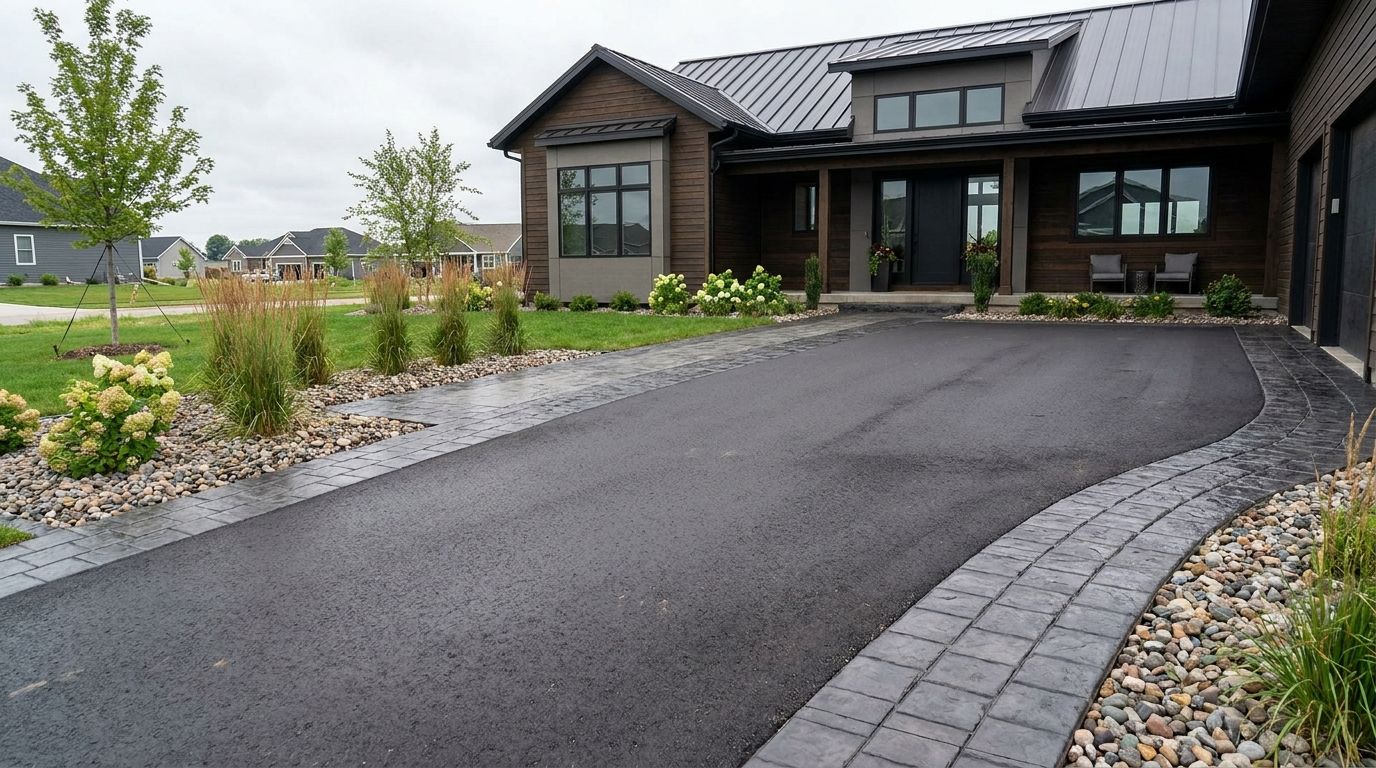
New construction in Greenville, Fox Crossing, and Grand Chute often features contemporary exteriors with clean geometric lines. Soldier Course matches that aesthetic with uniform blocks laid end-to-end in a single tight row.
A charcoal or slate color against fresh concrete driveways and sidewalks sharpens the entire front approach. Builders and landscape designers frequently specify Soldier Course for subdivision homes where a consistent, modern border style unifies the streetscape. At $3 to $8 per linear foot, concrete curbing adds a finished, permanent border without significantly increasing the overall landscaping budget on new builds.
Frequently Asked Questions
What curbing colors match Fox Valley home styles?
Earth tones like sandstone, clay, and terracotta complement the brick-front ranch homes common in Appleton and Kaukauna. Charcoal and slate pair with newer construction in Greenville and Grand Chute. Wolfrath’s Curb offers 80+ integral color options and provides in-person samples during the free estimate consultation.
When is the best time to install curbing in northeast Wisconsin?
The ideal installation window runs from mid-April through October, when daytime temperatures stay consistently above 50 degrees. Spring installations give the concrete the longest curing window before winter. Scheduling in April or May also avoids the summer backlog when contractor availability tightens across the Fox Valley.
How much does landscape curbing cost in the Appleton area?
Concrete landscape curbing costs $3 to $8 per linear foot in the Appleton and Fox Valley area. The final price depends on the project length, the pattern and color selected, and site conditions. Larger projects benefit from economies of scale. Every estimate is free and includes an on-site consultation.
Built for Fox Valley Soil, Designed for Your Home
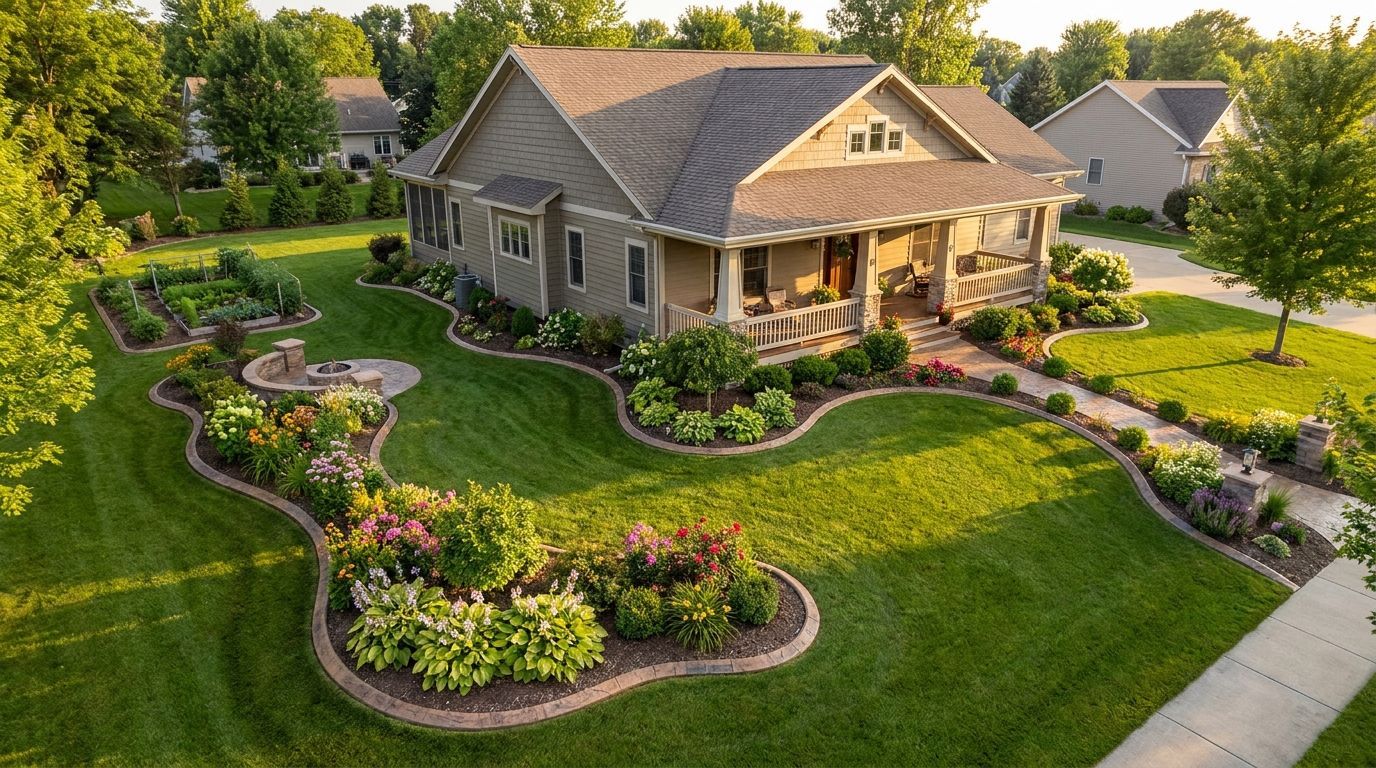
Whether you’re framing a modern colonial in Greenville or protecting mature hardwoods in Hortonville, your landscape deserves a border as resilient as it is beautiful. Don’t waste another spring battling Outagamie County’s clay or resetting shifted stones. Invest in a custom-poured solution engineered to handle the Fox Valley’s toughest freezes while keeping your yard maintenance-free.
Put our 20 years of local expertise to work for your home. Call Wolfrath’s Curb at (920) 212-2872 today for a free estimate and in-person pattern consultation.