Stamped Concrete Curbing: Patterns, Colors & Design Ideas
Stamped concrete curbing replicates quarry stone, weathered timber, cobblestone, and brick with textures and colors convincing enough to fool the eye. It's a long way from the plain gray border most people still picture. Wolfrath's Curb offers 13 stamp patterns across two design tiers and 80-plus integral colors, which means hundreds of combinations. We can make our landscape curbing match any home exterior, from colonial brick to modern siding. And because the color is mixed through the concrete rather than applied on top, it never fades, peels, or wears to a different shade underneath.
With so many options, getting the look right comes down to matching the pattern and color to your home's architecture. That's the part Wolfrath's Curb walks NE Wisconsin homeowners through during the design process. In this blog post, discover how stamped curbing is made, the full pattern and color lineup, and how to match a look to your home's style.
How Stamped Concrete Curbing Is Made
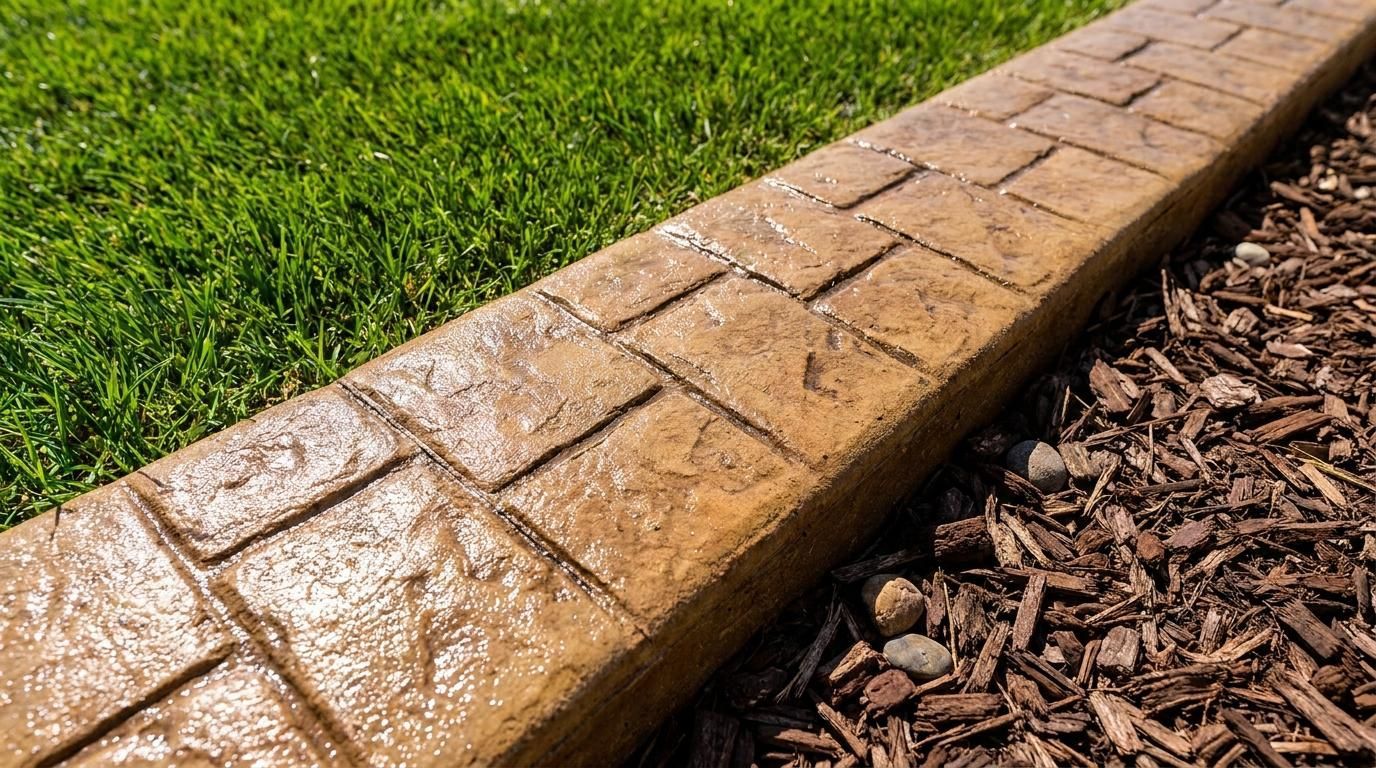
Creating high-quality stamped concrete curbing is a multi-step process that combines precise machinery with skilled artistry to ensure a durable, beautiful finish for your landscape.
The Extrusion Process
Stamped concrete curbing starts as a custom-blended concrete mix loaded into a specialized extrusion machine. The machine moves along the landscape edge, forming a continuous ribbon of concrete that follows curves, straight lines, and tight radii around tree rings and bed corners. The results are visible in Wolfrath’s concrete curbing project gallery, where the seamless extrusion process produces borders with no joints or seams.
How Stamps and Color Are Applied
While the concrete is still workable, the crew presses stamp tools into the surface to create the selected pattern. Color isn’t painted or stained on after the fact. Pigment is mixed directly into the concrete during the blending step, so the hue runs all the way through the material. This means scratches, chips, and normal wear do not reveal a different color underneath. After the concrete cures, a professional-grade sealer is applied to enhance the homeowner’s chosen color and protect the surface.
Basic Stamp Patterns
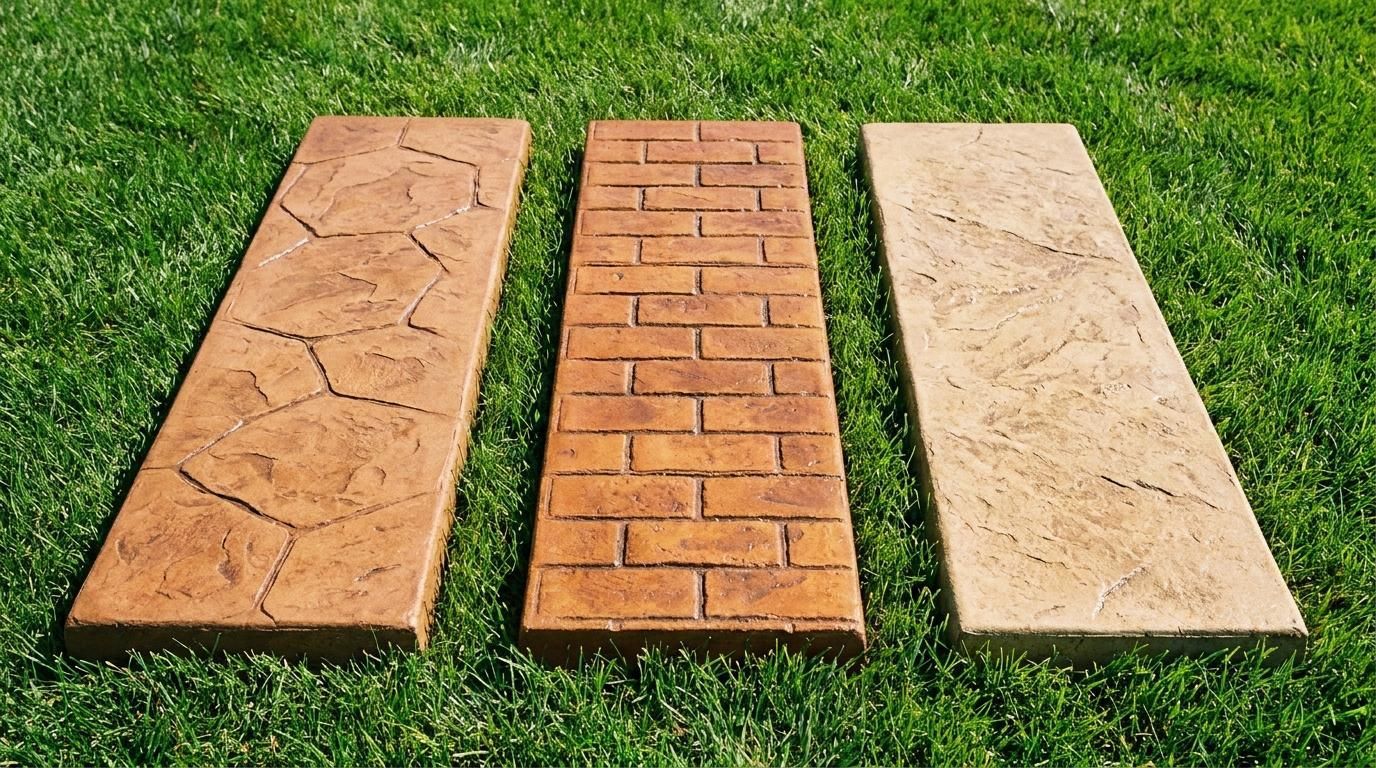
Wolfrath's basic styles cover the most popular textures and suit a wide range of home exteriors. All eight patterns are available in every color option.
- Castle Rock: Smooth rectangular blocks in a running bond layout. One of the most popular choices for its clean, structured appearance.
- Flagstone: Irregular, flat stone shapes that create an organic, natural-slab look along bed edges.
- H-Brick: Interlocking brick pattern with a traditional masonry feel. Pairs well with brick-exterior homes.
- London Cobble: Rounded cobblestone texture that evokes European streetscapes. Works well on curved borders.
- Random Rock: Varied stone shapes and sizes for a loose, hand-stacked look without the maintenance of actual stacked stone.
- Soldier Course: Uniform rectangular bricks laid end-to-end in a single row. The most formal and linear pattern available.
- Spanish Tile: Scalloped, arching impressions inspired by Mediterranean tile work. Adds warmth and curvature to borders.
- Wood Grain: Milled timber texture that replicates a rustic wood-plank appearance without the rot, warping, or insect damage.
Premier Stamp Patterns
Premier styles offer deeper textures and more dramatic surface detail. These patterns are designed for homeowners who want a more distinctive, high-end look.
- Boise Stone: A bold, angular stone pattern with deep relief and strong shadow lines.
- Farmhouse Brick: Rustic brick texture with an aged, hand-laid character. Designed for country and farmhouse-style properties.
- Hand Hewn Wood: Deep grooves, splits, and axe-mark textures that go well beyond the basic Wood Grain. A statement pattern for rustic landscapes.
- Natural Cut Stone: Clean-edged quarry block appearance with a hand-chiseled finish. Balances structure with natural character.
- Natural Stone: Weathered quarry rock texture with irregular surfaces and raw fissures. The most organic-looking option in the lineup.
Choosing Colors for Your Home
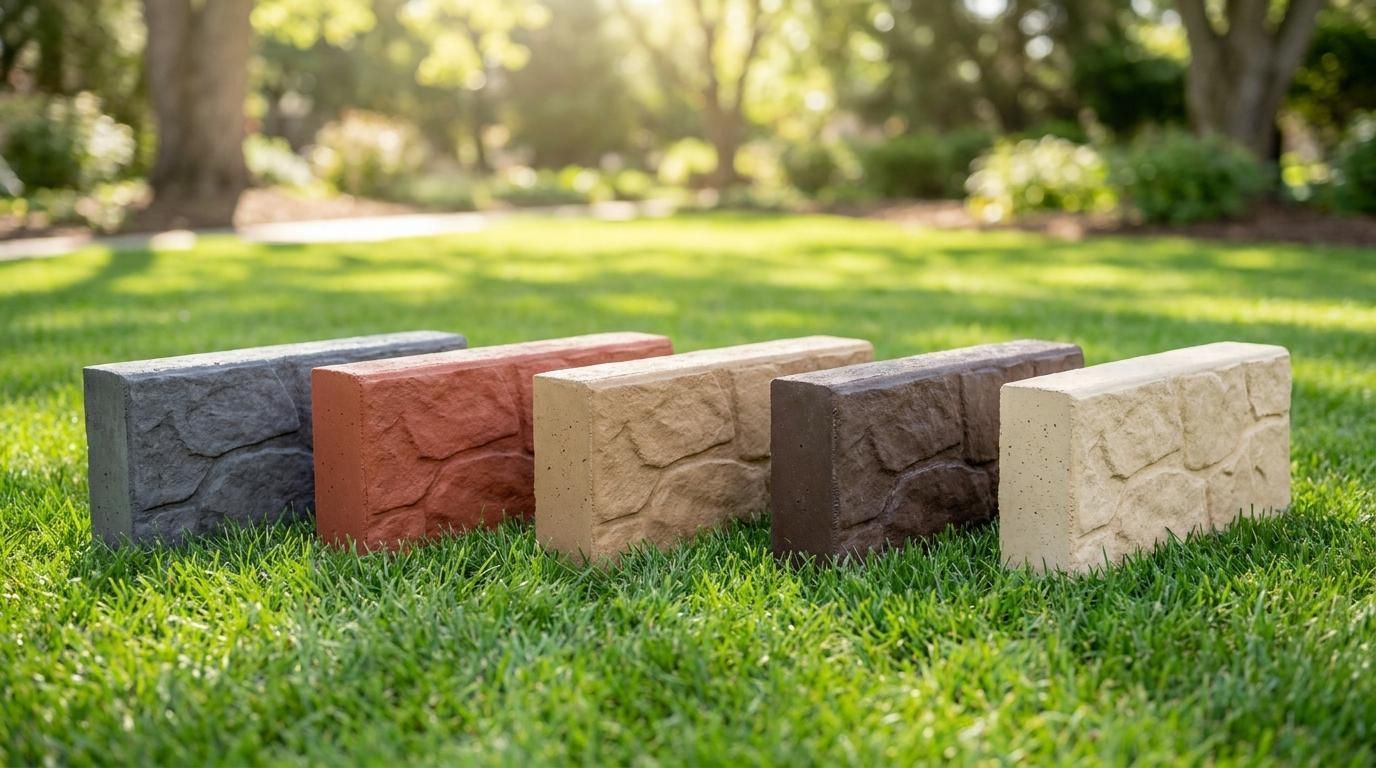
Wolfrath's Curb offers 80-plus custom-blended integral colors organized into several popular families. Because the pigment is mixed throughout the concrete, the color does not fade, peel, or wear away the way surface-applied stains do.
- Warm earth tones: Sandstone, terracotta, clay, and cedar. These complement brick exteriors, natural stone facades, and warm-toned siding.
- Neutrals: Gray, charcoal, slate, and buff. Versatile options that work with any home color and let the stamp pattern be the focal point.
- Reds: Brick red, colony red, and rose. Traditional choices that match red-brick homes and colonial-style architecture.
- Custom blends: Multi-tone effects and custom color matching are available for homeowners who want curbing that coordinates precisely with existing hardscape or exterior paint.
Matching Patterns to Wisconsin Home Styles
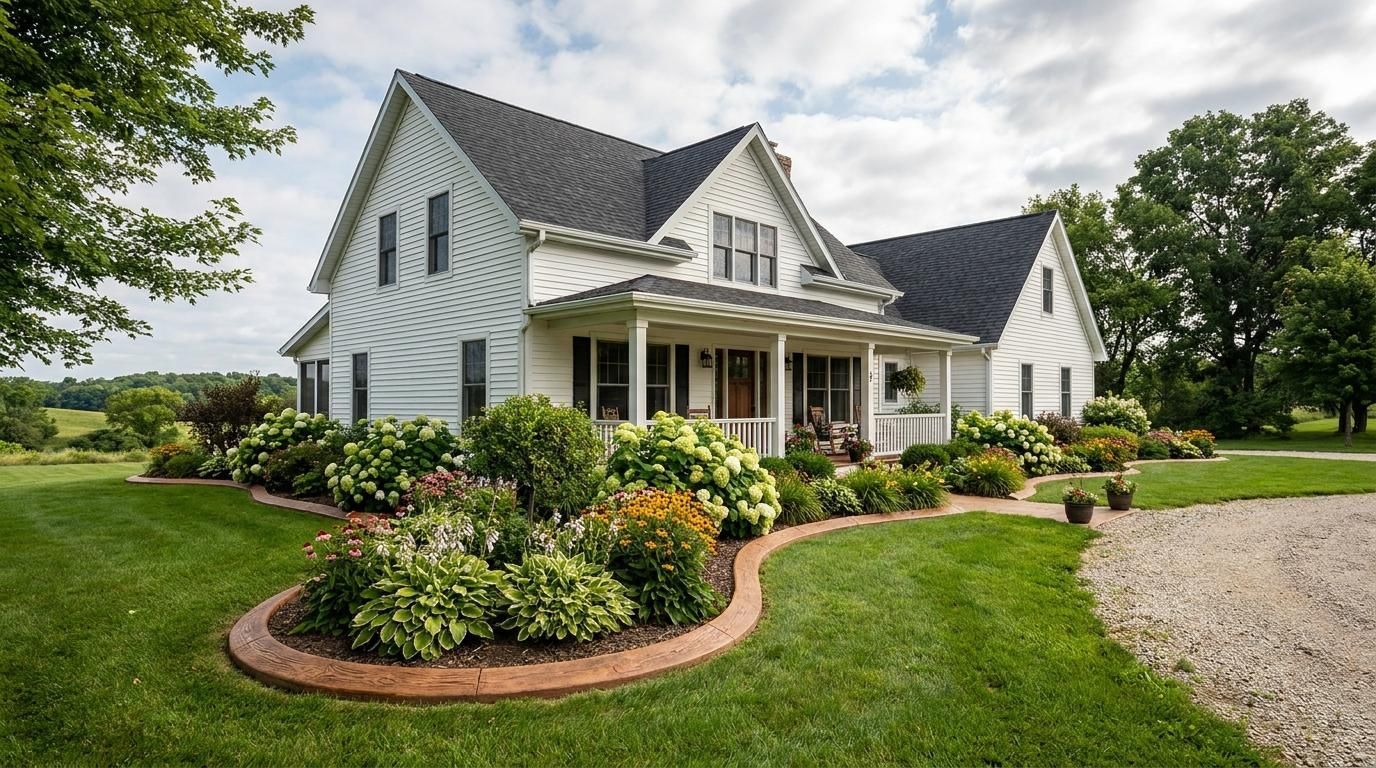
Selecting the right pattern and color for your landscape curbing ensures the border complements your home's unique architectural style rather than clashing with it.
Ranch and Colonial Homes
Soldier Course and Castle Rock are strong choices for ranch and colonial homes in Appleton, Green Bay, and Neenah neighborhoods. Both patterns create structured, linear borders that echo the clean geometry of these home styles. Pair with neutral gray or a warm sandstone that picks up the trim color.
Farmhouse and Rustic Properties
Hand Hewn Wood and Farmhouse Brick give rural and farmhouse-style properties a border that looks intentional without looking suburban. Cedar, bark, and clay colors keep the palette grounded. These patterns work especially well on larger lots across the eleven-county NE Wisconsin service area, where the landscape has a natural, unmanicured character.
Modern and Contemporary Homes
Natural Cut Stone in charcoal or slate gives contemporary homes a clean-edged border with just enough texture to avoid looking flat. Flagstone in a light buff offers a softer alternative. For minimalist landscapes, these patterns let the plantings and architecture take center stage while the border provides quiet definition.
Frequently Asked Questions
Does the Color Fade Over Time?
Integral color is mixed throughout the concrete, not applied to the surface. This means it does not peel, flake, or wear away. UV-resistant pigments maintain vibrancy, and periodic resealing every 2 to 3 years enhances color depth and adds a fresh, finished look.
How Long Does Stamped Concrete Curbing Last?
Professionally installed concrete curbing lasts 20 to 30 years in Wisconsin's climate, and the stamped finish holds up just as long because the texture is pressed into the concrete itself, not applied on top. That durability matters across Waupaca County and the rest of NE Wisconsin, where freeze-thaw cycles and road salt wear down lesser edging within a few seasons.
What Is the Most Popular Stamp Pattern?
Castle Rock is one of the most popular patterns because its clean rectangular blocks suit a wide range of home styles. Flagstone and Natural Stone are also frequent choices for homeowners who want a more organic, natural look.
Design Your Curbing With Confidence
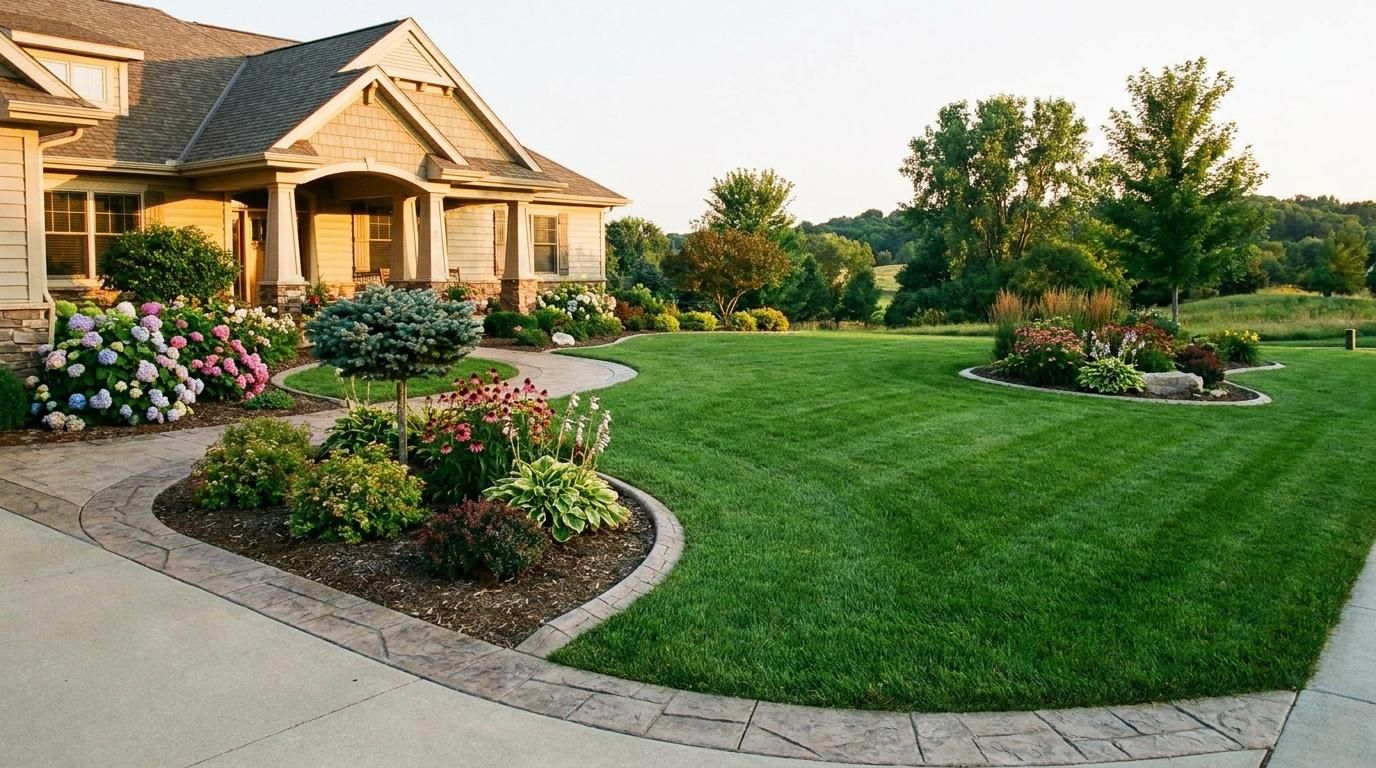
Stamped concrete curbing can be made to adapt a wide variety of aesthetics. With 13 patterns and 80-plus colors, the design range rivals tile, stone, and brick—in a format that's seamless, permanent, and built for Wisconsin's freeze-thaw climate. Whether you're drawn to the formal lines of Soldier Course or the raw texture of Natural Stone, the right pairing makes a landscape look finished rather than just bordered. And since the color runs all the way through the concrete, the look you choose is the look you keep.
The easiest way to decide is to see the samples against your own home. Wolfrath's Curb has installed over a million linear feet of curbing across eleven NE and central Wisconsin counties since 2005. Schedule a free estimate or design consultation. Call (920) 212-2872.