
How Long Does Concrete Curbing Last in Wisconsin Weather? Lifespan & Maintenance Tips
How long concrete curbing lasts depends on installation quality and maintenance. In Wisconsin, professionally installed curbing typically lasts 20 years or more, far outlasting plastic, steel, or paver alternatives. Wolfrath's Curb has installed over 1 million linear feet across northeast and central Wisconsin since 2005. The installations that hold up the longest share three things: proper prep, quality mix, and consistent sealing.
After serving the local community for decades, we've learned to predict which installations will still look sharp in 20 years just by watching how a crew handles the first 30 minutes. Not the extrusion, not the stamping—the base prep and mix. Those two decisions, made before a single inch of concrete hits the ground, are what separate the borders that outlast the landscaping from the ones that start shifting by the third freeze-thaw cycle.
What Actually Determines How Long Concrete Curbing Lasts
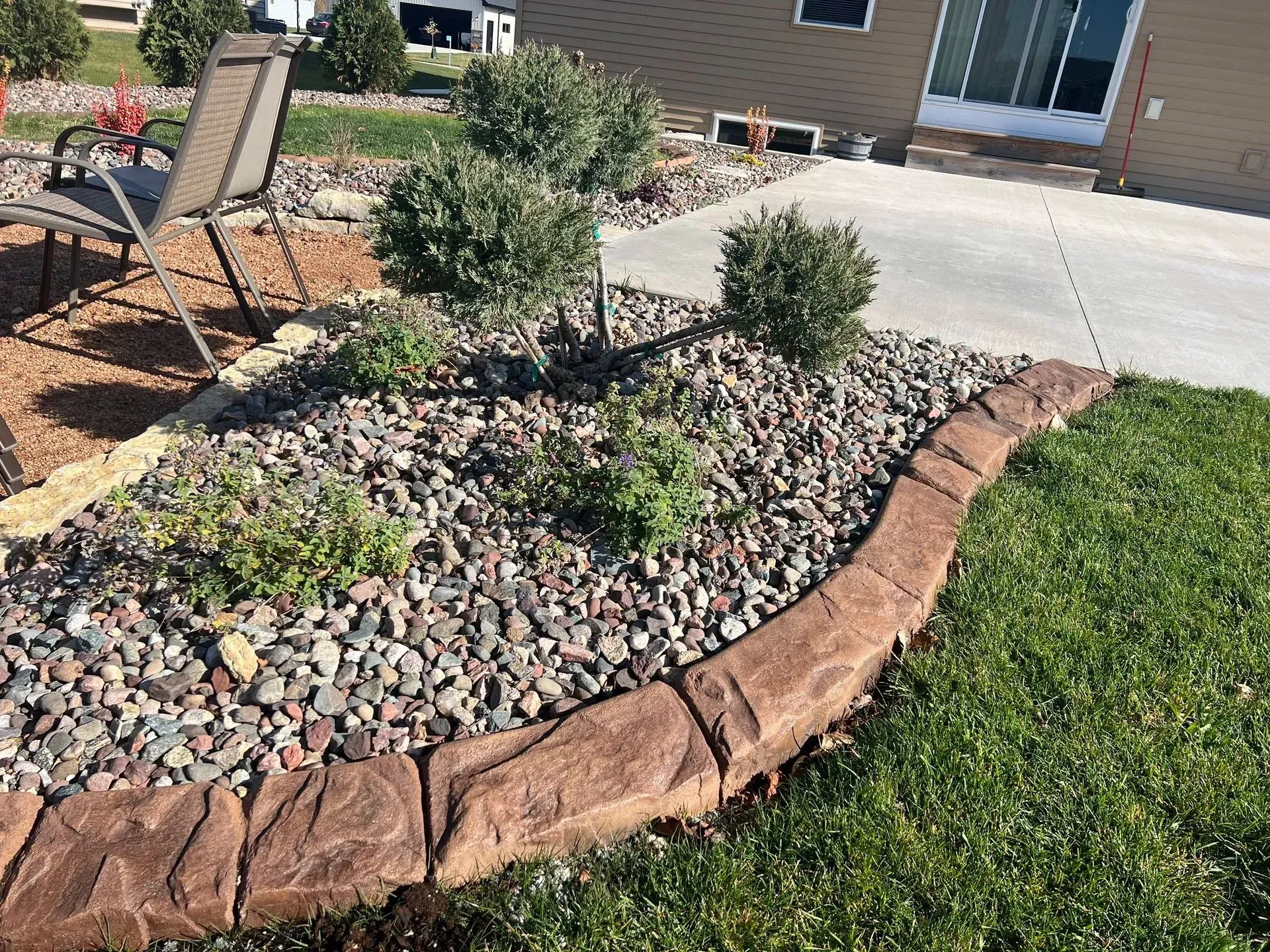
Lifespan comes down to three variables: the concrete mix, the base preparation, and the sealer. Get all three right, and you have a border that outlasts most of the landscaping it frames.
Getting the Concrete Mix Right
The concrete mix is the starting point. As part of Wolfrath's Curb's installation process, concrete is custom-blended on-site with additives that improve density and reduce porosity. That matters in Wisconsin because less porous concrete absorbs less water. Water that infiltrates a curb expands when it freezes, creating internal pressure that causes spalling (surface flaking) and cracking over time. A dense mix resists that absorption cycle from installation day forward.
Proper Base Preparation
Base preparation is invisible once the job is done, which is why some contractors skip it. Wisconsin's frost depth can reach 48 inches, and curbing installed over an uncompacted base heaves with the ground. Wolfrath's removes existing edging, clears problem roots, and compacts the base before extrusion. That's what prevents the settling and lifting that shortens lifespan in rushed installs.
Sealing the Concrete Curbing
Sealing is the variable that stays in the homeowner's hands. A professional-grade sealer locks out moisture and UV exposure. In Wisconsin's climate, reseal every 2 to 3 years. Skip a cycle and the sealer breaks down, moisture infiltrates, and freeze-thaw damage starts working on the concrete from the inside.
Wolfrath's includes professional resealing as part of its service, with power cleaning and surface prep before any new coat goes down.
How To Protect Your Curbing Investment Over the Long Haul
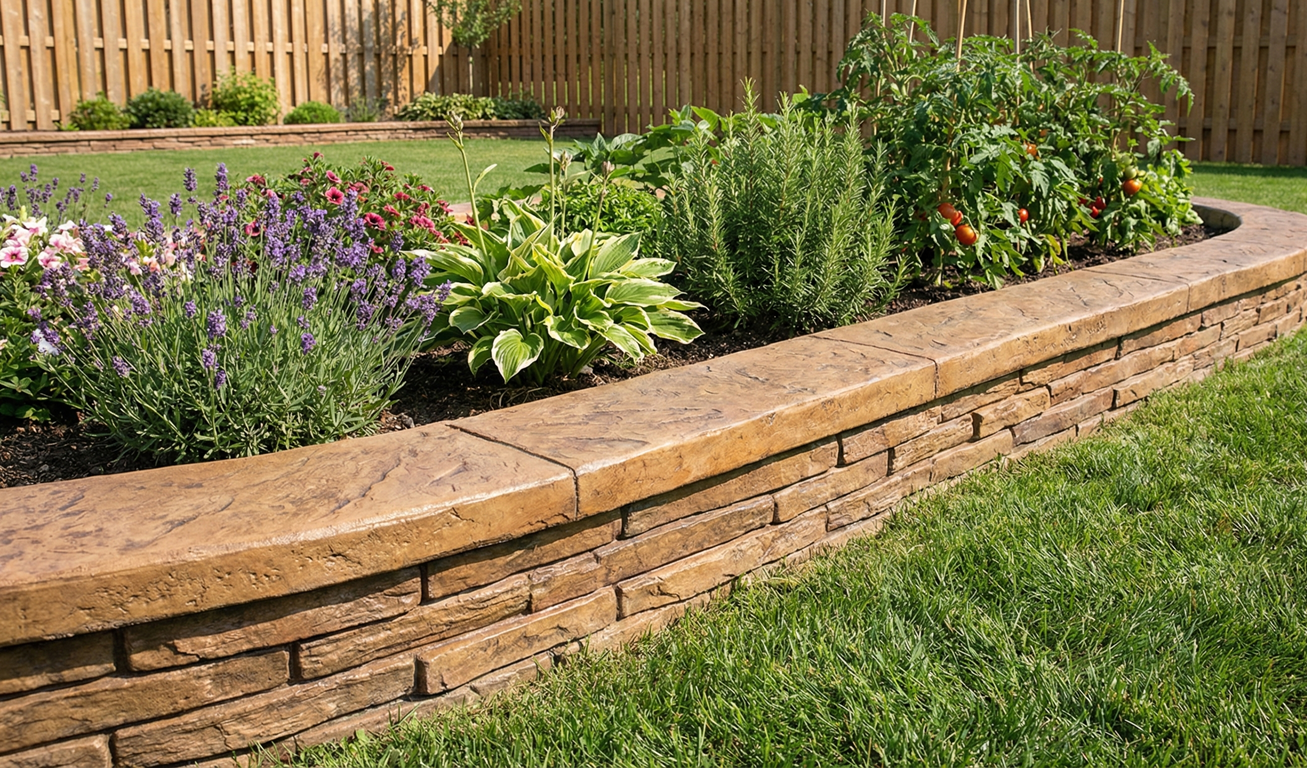
Concrete curbing needs far less attention than any alternative, but low maintenance isn't the same as no maintenance.
- Reseal every 2 to 3 years. It's the highest-return maintenance task for Wisconsin curbing.
- Avoid pressure washing. High-pressure water erodes the sealer; use mild soap and a soft-bristle brush instead.
- Keep mower wheels and wheelbarrows off the curb edge. Direct impact can chip the profile.
- Watch for mulch packed against the base. Organic material holds moisture and breaks down sealer at ground level.
After snowmelt is the right time to do a quick perimeter check. Hairline cracks are normal—minor surface cracking doesn't affect structural performance. What signals a real problem is separation from the ground or visible heaving, which typically points to base prep issues. For homeowners with concrete landscape edging in Outagamie County or across the Fox Valley, that walkthrough takes ten minutes.
Our summer maintenance guide for decorative curbing covers cleaning routines, weed control, and seasonal inspection.
Frequently Asked Questions
Does concrete curbing crack in Wisconsin winters?
Minor hairline cracks can appear in any concrete exposed to Wisconsin's freeze-thaw cycles, and they're normal. Properly installed curbing with a compacted base and intact sealer rarely develops cracks that affect performance or appearance. Structural issues (separation, heaving, or wide gaps) typically trace back to inadequate base preparation rather than material failure.
How often should concrete curbing be resealed in Wisconsin?
Concrete curbing in Wisconsin should be resealed every 2 to 3 years, more often in areas with road salt runoff or heavy sun exposure. Wolfrath's Curb offers professional resealing that includes power cleaning and surface prep before applying weather-resistant sealer — skipping this step is the most common reason curbing loses its color vibrancy ahead of schedule.
How does concrete curbing compare to plastic edging for longevity?
Plastic edging typically lasts 2 to 5 years in Wisconsin before warping from UV exposure or heaving out of the ground through freeze-thaw cycles. Concrete curbing installed to professional standards regularly lasts 20 years or more. The upfront cost is higher, but homeowners stop replacing borders every few seasons. That's the trade-off that makes it worth it for most Wisconsin yards.
Wisconsin Curbing Built to Last
Concrete curbing installed and maintained correctly is a genuine solve-it-once solution for Wisconsin homeowners tired of refighting their edges every spring. Request a free estimate from Wolfrath's Curb.
Still weighing the decision? Our blog post,
Is Concrete Landscape Curbing Worth It, breaks down the full cost-versus-value comparison.